


Taking your pet to the veterinarian can sometimes seem so expensive! Why? Well, there are a lot of factors that go into the price that most people have not even thought about!

The price to become a vet
First, let me tell you that (the majority of) veterinarians are definitely not in it for the money. A lot of us could have gone to human medical school and made a lot more! The costs for vet school and med school are similar, and both require in general four years of undergraduate/college education then four years of vet/med school.
However, the average salary for animal doctors is less than half of what human doctors make. So, when we’re finished with eight years of school, we have the same debts (for example, from student loans) as human doctors but less salary to pay them off. So veterinary clinics have to pay vets enough to both pay down those debts and have a livable income. If not, they won’t have veterinarians to see your pets!
Besides the cost of vet school, we also have to pay for continuing education requirements (in Nebraska, 32 hours every two years), maintaining our medical licenses, and liability insurance. Clinics often reimburse those fees in order to help retain their veterinarians.
Lots of Staff
It takes a lot of staff to provide optimal care for pets!
Besides the receptionists you see, there are veterinary technicians/nurses, assistants, and other staff who help draw blood, take x-rays, run the tests the vet orders, sterilize equipment used in surgery, give fluids, feed pets in the hospital, call clients, clean, and lots more. These are all necessary tasks, required in order to care for patients.
All these people need to be paid. And just like with veterinarians, clinics need to pay their staff enough and pay to provide benefits so that those staff members don’t leave.
Operating expenses
Veterinary clinics have enormous operating expenses.
Rent or a mortgage is one, and that cost is more expensive if a clinic wants convenience for its clients in the form of an area with lots of parking and near a major road. And speaking of convenience, having a place that is not only a doctor’s office but a radiology center, a surgical facility, a hospital ward, a pharmacy, and a place to buy food is expensive to run.
Then there is the cost of maintaining the facility, utilities (very high in veterinary clinics), and insurance.
Rural veterinary clinics tend to be less expensive because their overhead and land cost tend to not be as high. However, many of the vets who work in rural places don’t have experience with exotics/critters.
Equipment
X-ray equipment and software, laboratory analyzers and supplies (for various blood, urine, stool, and other tests), surgical monitoring equipment (for heart rate, respiratory rate, temperature, blood pressure, etc. during surgery), laser machines, anesthesia machines and the anesthetic medication used, surgical and dental tables, dental x-ray equipment, and ultrasound machines are extremely expensive to purchase – as in, hundreds of thousands of dollars for some things. In addition to that, there are the costs to fix and upkeep equipment.
These pieces of equipment are essential for us to be able to diagnose and treat often time-critical and life-threatening issues.
Supplies
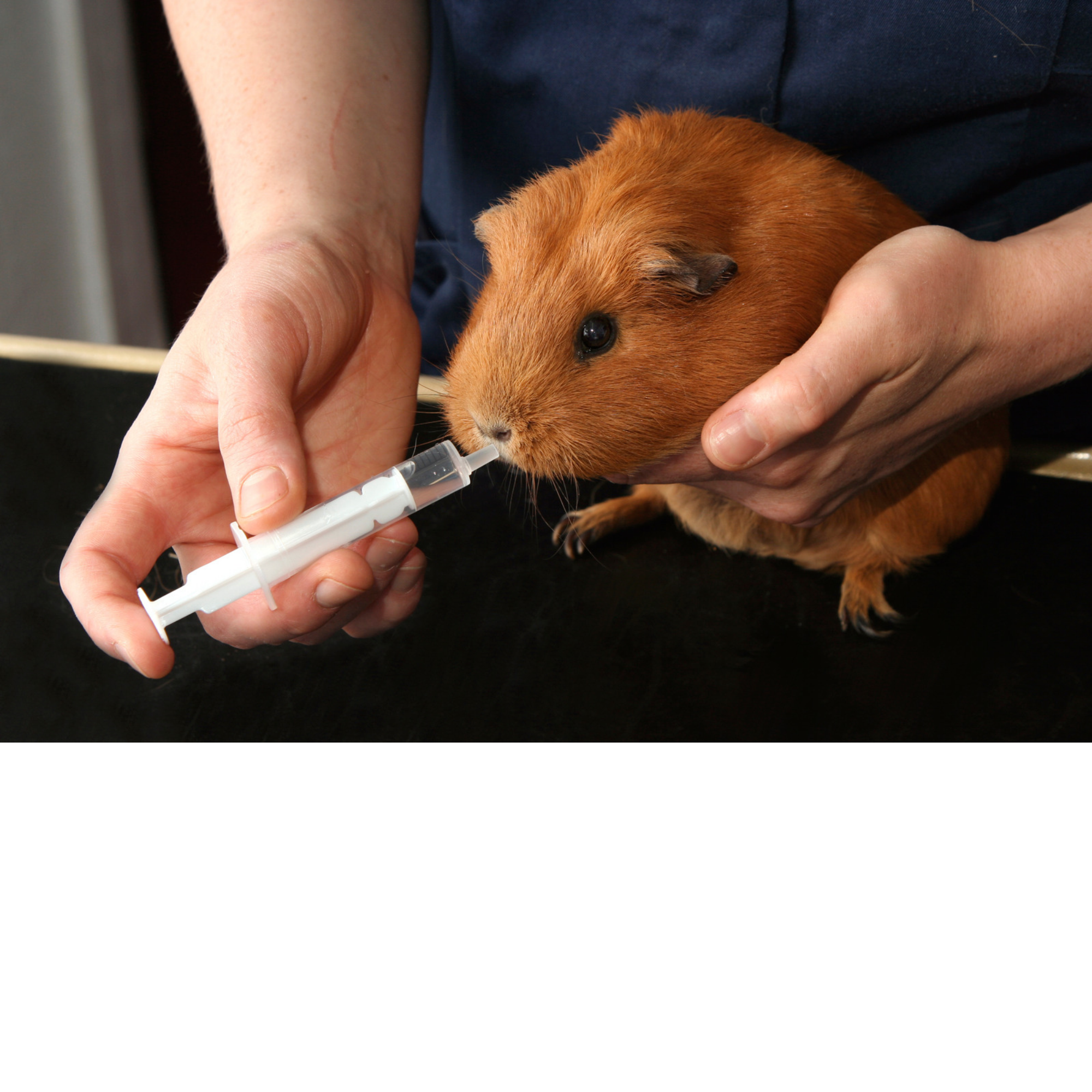
Sterile syringes and needles, catheters, endotracheal tubes, surgical cleanser, special cotton swabs and gauze, ear cleaner, thermometer lubricant, alcohol, and so many more things all have to be purchased and are factored into bills.
Many of these supplies come from the same companies that human hospitals get them from. So, it doesn’t matter if the patient is a rabbit or a 53-year-old human, the costs to purchase these supplies is the same.

Medications
As with supplies, medications often come from pharmaceutical companies that make things for humans, and therefore they have the same prices. Even when medications are specifically for animals, the same rigorous testing and years of research apply to them to ensure they are safe. And veterinary clinics can’t purchase medications in bulk at bulk prices like human pharmacies can.
In addition, filling medications takes a lot of staff time: The receptionist takes the call and passes on the message. The veterinarian reads the patient’s file, determines if the medication can be refilled and if the dose needs to be changed, decides if a different medication would be better and then determines that dose, and authorizes the medication or tells the client why we can’t. And an assistant or technician fills it.
Laboratory costs
The cost of diagnosing diseases and illnesses through bloodwork, biopsies, and cytology is something else not usually seen by people.
When we send out tests, there are the costs of transporting the samples (ice, padding, special boxes), the time spent getting the tests ready to send out (filling out special forms, writing reports), and the lab examining and interpreting the samples we send. And again, sometimes we have to use human labs.
Then, when we get the results back, we spend time reviewing the results, interpreting them based on what we saw during the exam, and calling clients to discuss. Then we may need to spend time finding specialists, talking to them, and arranging referrals for patients. We also spend time reading specialist reports and emergency clinic records and discussing them with clients.
No insurance or subsidies like in human medicine
Pet care isn’t subsidized like human healthcare is. For humans, there are usually employer contributions, insurance plans, or government funding. So human patients don’t usually see the actual full bill, like the true price of a blood test or x-ray. At the vet, you pay the full amount yourself.
Pet insurance exists, but it’s not like human insurance. You will probably save some money, especially if your pet has a large expense, but with pet insurance it’s often more like paying ahead of time in smaller amounts rather than getting one large bill at a time.

Veterinary clinics are businesses
In order to continue to exist, a business needs to make a profit. Veterinary medicine is a business, and a certain amount of profit is needed in order for a clinic to thrive and stay in business.
Also, there is the issue of corporations buying veterinary clinics. While it may seem like where you go is an independent clinic, it may actually be owned by a corporation. And when corporations own clinics, there are management fees (at the clinic level, regional level, and corporate level), shareholder expectations, and higher target profits. Those costs get passed to you.
The evolution of veterinary medicine
In the past couple decades, the level of care and the expectations of owners for veterinary care to increase both quantity and quality of life have increased. Things like advanced imaging, more detailed surgical monitoring, specialists such as orthopedic surgeons and oncologists, and development of medical treatments have improved and extended the lives of pets. However, they also contribute to increased costs because they require more time per patient, special equipment, and specialized training.

Emergency care
If you ever need to go to an emergency clinic (I hope you don’t!), you will definitely pay more. These clinics charge more because the have to pay more to the veterinarians and staff who are there at night, on weekends, and during holidays when others are off. And these staff deserve it! I, for one, could not do what they do.
In addition, emergency clinics usually carry more and more expensive equipment that general clinics don’t – because they have to be able to provide answers right away to clients and treat their patients immediately.
If you can, try to plan and budget for possible emergencies – and routine veterinary care – so that you have the money when and if you need it. That way, even though it may seem expensive, the visit won’t be as stressful.
Copyright 2026 Amy “Brem” Bremers, DVM