


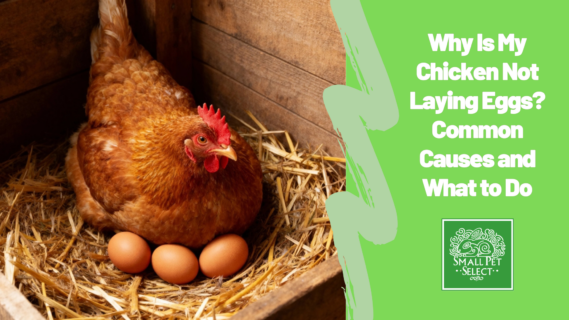
If your chicken stopped laying eggs, there could be a bunch of things affecting your flock. But don’t exclude the possibility that the fowls are simply resting after months of molting.
Those little creatures seldom stop their egg production for no apparent reason. Once you learn the triggers, it becomes easy to help them resume it.
Common Reasons Your Chicken Is Not Laying Eggs
Many chicken keepers tend to ignore the issue when their flock stops laying eggs. Instead, they hope that their feathery pets will eventually pull themselves together in a couple of weeks.
However, there are plenty of changes in your chicken’s body and the surrounding environment that affect egg production.
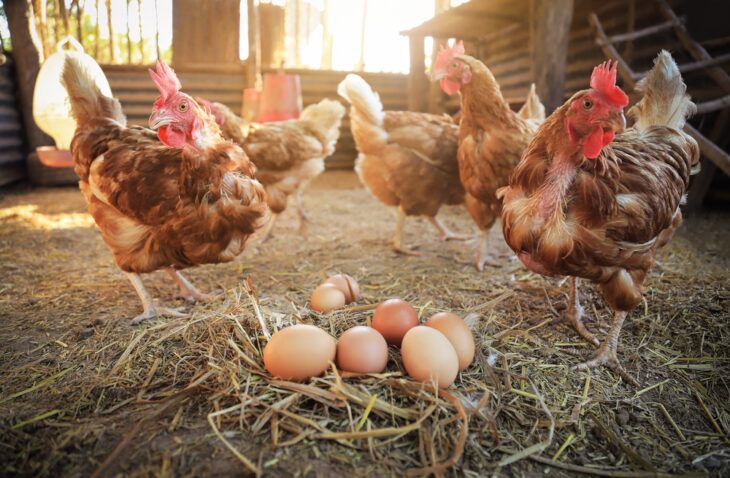
Molting
During molting, chickens shed old feathers and grow new ones. They usually appear quite messy during this period and will need enough protein to create new feathers. Some hens stop laying until the molt is over.
Less daylight
Daylight has a direct effect on a hen’s reproductive cycle. As the daylight hours become shorter in autumn and winter, egg production can slow down or stop. Hens generally need around 14 hours of light each day to boost their egg-laying ability.
Age
Young chickens usually start laying eggs at 18 to 22 weeks and reach their maximum egg production, depending on their breed. Production is generally strongest during the early part of a hen’s laying life and gradually changes as she gets older.
So, if you have an older chicken not laying eggs as regularly as she once did, age may be part of the explanation.
Stress
Chickens enjoy stability and predictability. Any kind of disturbance, be it a wandering neighborhood dog or even a sudden thunderstorm, triggers a stress response in them while affecting their output.
Nutritional deficiencies
When your chickens are lacking necessary nutrients in their body, they’ll concentrate only on survival, and egg production will no longer be a priority.
How Diet Impacts Egg Production
Feeding mistakes are one of the most frequent reasons your chicken isn’t laying, and they can be easy to overlook. A hen may appear to be eating normally while still getting an unbalanced diet if most of what she eats doesn’t add much nutritional value to her reproductive system.
Protein and calcium
Laying chickens need adequate protein that contains the essential amino acids to support egg production. Calcium is particularly important because hens use it to form eggshells.
When your feed runs low, the chicken will extract it from her own body. In this case, she may end up producing soft-shelled or rubbery eggs and eventually cease production.
In addition to standard feed, keep a separate dish of Flaked Oyster Shell nearby for them to supplement their calcium intake as needed. Providing the appropriate type of feed, depending on the flock age (from Starter and Grower to Layer Feed), is crucial; otherwise, the wrong formula their throw their bodies off balance.
Treats shouldn’t replace the main meal
Treats like Grub Bugs, Cluck and Crunch Berry Blend, and Pea Flakes can add variety to a flock’s diet.
The important thing is moderation. Snacks shouldn’t make up more than 10% of your birds’ daily diet. Treats that are high in carbs and fat can quickly satiate chickens, but when consumed too frequently, they may discourage your flock from eating the main meal of the day.
As a result, they gain weight and accumulate excess fat tissue around reproductive organs, making egg-laying almost impossible.
Environmental and Flock Stressors That Can Disrupt Egg Production
High levels of stress hormones can prevent a chicken’s reproductive system from functioning properly. Predators are one possibility. Even when neighborhood raccoons, hawks, or cats can’t get inside, the fact that they’re nearby could stress out your birds.
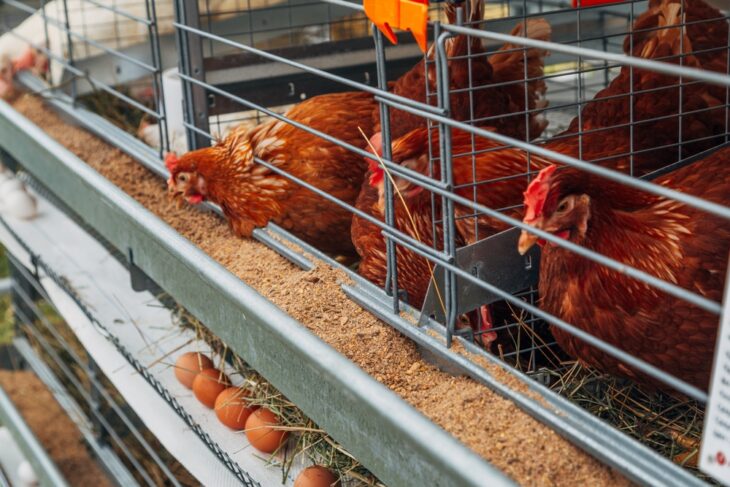
Overcrowding can also be a factor. Chickens need enough room to move around, rest, and reach their nesting boxes. They may become uncomfortable when the space is too cramped, as more aggressive and dominant birds will take control of the food and nesting boxes, leaving docile birds to starve and unable to lay.
Adding more chickens to the existing flock can disrupt the established pecking order. It usually takes 2-3 weeks for the hierarchy to be reestablished, and during this period, you’ll need to learn how to introduce new chickens to your existing flocks.
After that, then comes the question: “Why are my chickens not laying eggs?”
When Your Chicken Is Not Laying Eggs For Health Reasons
If diet and environment check out, an empty nesting box usually means your bird is waving a red flag about her health.
General signs of illness
A sick chicken will naturally hide her symptoms to avoid bullying from flock mates. The signs are always there if you look closely:
- A pale, shriveled, or dry comb
- Lethargy
- Raspy breathing
- Standing hunched with fluffed-up feathers
- Cloudy eyes
- Nasal discharge
- Dirty tail feathers
- Watery, discolored droppings
If a bird shows these signs and has no eggs, isolate her in a quiet, warm area for observation.
Egg-binding
Sometimes, chickens can’t release an egg because it’s stuck in the oviduct. This is a life-threatening emergency, and an egg-bound hen will often:
- Walk with an awkward, penguin-like waddle
- Pump her tail up and down
- Sit repeatedly on the coop floor
Internal laying
Internal laying happens when the ovary releases a yolk that misses the oviduct and lands in the abdominal cavity. Over time, accumulated yolks cause fluid buildup and bacterial infection.
If your chicken is suffering from this condition, she will develop a heavy, squishy abdomen and gradually stop producing normal eggs. This condition requires urgent medical attention.
How to Support Consistent Egg Production Year-Round
You can’t stop a hen from molting or getting older, but a few consistent habits can remove the quiet stress that stops egg production.
- Supplement light when necessary: If you want eggs through the dark winter months, install a simple LED light connected to a timer inside the coop. Set it to turn on early in the morning so the flock receives up to 14 hours of light. Always allow dusk to fall so the birds can find their roosting spots safely before darkness sets in.
- Fresh meals only: Old feed can harbor unseen mold that suppresses egg production. You should buy fresh feed in quantities your flock can finish within four weeks.
- Provide regular access to water: Clean their waterers daily. A bird that goes without water for even a few hours can stop producing eggs for days.
- Safe nesting spaces: Chickens need clean, dark nesting boxes to lay comfortably. Line these boxes with fresh Pine Shavings or Golden Wheat Straw, and place ceramic fake eggs inside to show the young ones where to lay. You can also sprinkle in a little Fresh Nest Herbal Blend to help deter unwanted insects.
Conclusion: You Can Keep Your Chickens Happy and Productive
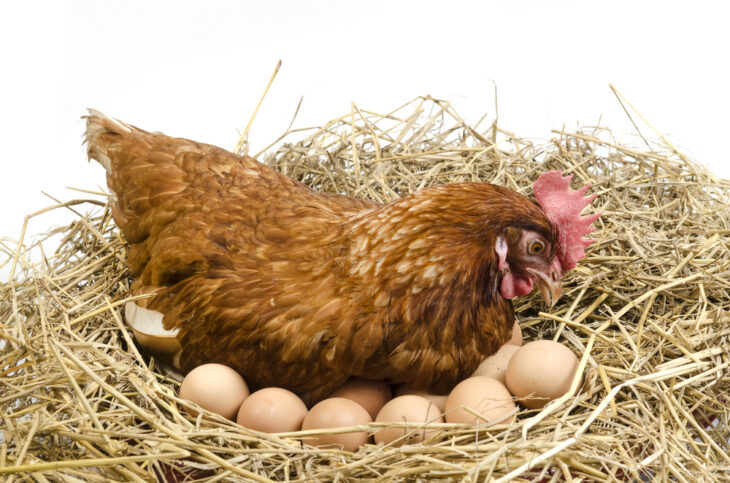
Dealing with a chicken not laying eggs comes down to observing your flock and fixing minor issues before they grow. Whether your birds simply need extra protein during a molt, more daylight in winter, or a calmer coop environment, listening to their physical cues puts you back on track.
With balanced feed, clean water, and a safe home, your hens will fill your egg baskets once again.
Disclaimer:
We are not veterinarians, and none of our information should be construed as veterinary advice.
Before adding any new product, please consult your exotic veterinarian. If your pet is acting unwell and you have concerns for their well being, please contact your vet immediately.

Betty Nelson is a lover of small pets with hands-on experience raising chickens, rabbits, guinea pigs, hamsters, and other small companions. She shares simple, practical tips based on real experience and trusted research to help you care for your furry friends. Her goal is to help pet parents take care of their little ones easily, enjoyably, and rewardingly.