



It’s natural to feel concerned if your hamster is sleeping too much. The thing is, hamsters have an internal clock that makes them most active in the evening and at night.
When they spend more time sleeping instead of having fun during their night escapades, there may be a problem. A change in their diet and room temperature can be contributing factors.
What Normal Sleep Looks Like in Hamsters
Healthy hamsters tend to sleep for 12 to 14 hours per day. They sleep for most of the day and wake up several times during their normal rest period.

Your little friend will be considered to have an abnormal sleep schedule if it regularly sleeps for 18 or more hours within a 24-hour cycle. This can also occur if it sleeps through the usual activity period.
Is Your Hamster Sleeping Too Much or in Torpor?
There may be situations where the fact that your hamster is sleeping too much is life-threatening. You can give first aid as a temporary measure.
Deep or normal sleep
This occurs every day during regular sleeping hours. Your pet should feel warm, respond when touched, or wake up when its room smells like treats.
Hibernation
Hamsters living in the wild store fat in advance to slow down their metabolism, breathing, and heart rate. They can go without food for extended periods. This process is necessary to survive harsh winter conditions.
Pets kept at home can’t go into hibernation.
Torpor
Once the temperature falls below 65°F (18 °C) or there isn’t enough food, your friends may slip into torpor. It can also occur even when hamsters are kept in pitch darkness for an extended period.
A hamster experiencing torpor may feel unusually cold and limp. They’re barely unresponsive, which is why many parents may believe their pets have died.
Here’s what you can do when you find your hamster in this state:
- Don’t expose them to too much heat: Hot water, hair dryers or heat lamps shouldn’t be used, as they can cause shock.
- Use your body heat: Wrap your hamster in a warm fleece blanket and hold it next to your chest.
- Extra warmth: Place a warm water bottle inside a towel or use a heating pad set at low temperature on one-half side of the enclosure.
- Improve blood circulation: Gently rub the sides of your hamster. Once it regains consciousness, provide a few drops of lukewarm sugar water.
Environmental Factors Triggering Over-Sleeping in Hamsters
When the enclosure or playgrounds aren’t in the right state, you’ll have your hamster sleeping too much during their waking hours.
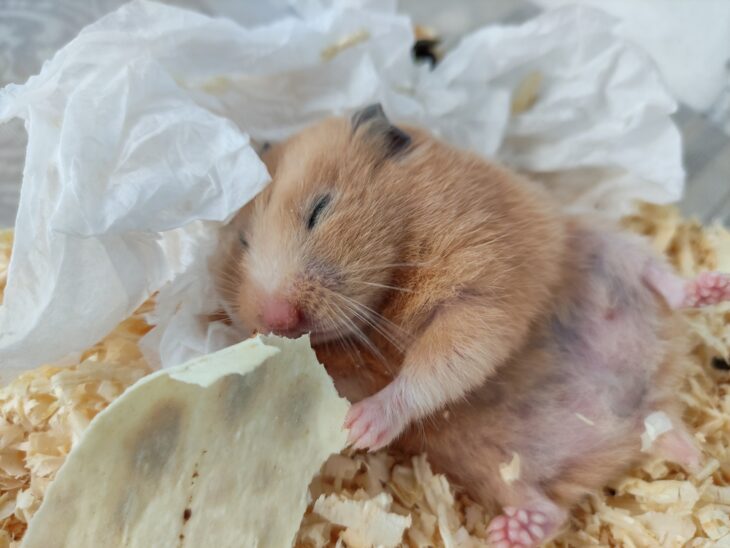
Temperature
Exposure to cold temperatures can trigger lethargy and torpor, whereas excessive heat may increase the risk of heat stress.
Lighting
When you keep your hamsters’ room totally dark during the day or when they are exposed to too much light, you mess with their biological clocks, making them confused and sleepy.
Diet
A poor diet can influence your hamster’s energy levels. Balanced nutrition should provide most of the nutrients they need, while treats such as Cornflower Hay Rolls and Dried Apple Slices can be offered as occasional treats. Remember that snacks shouldn’t be more than about 10% of their daily diet, so they don’t displace hay.
Boredom and stress
A hamster that lacks the opportunities to express its natural foraging instincts will become bored and less active. You can offer them enrichment toys like Meadow Fidget Sticks, Rye Twists, and Hay and Twig Mobiles to keep them occupied.
A Hamster Sleeping Too Much: When It Signals an Illness
If you notice your hamster sleeping too much and exhibiting any of the following symptoms, take prompt action:
- You notice a sudden drop in body weight, and the flank feels sunken when you hold your furry companion.
- They ignore their favorite treats and won’t go near water bottles.
- Their coat looks dull and matted with noticeable hair loss because they stopped grooming.
- It looks like they turn their backs on things that make them happy, like running wheels and enrichment toys, almost always keeping to themselves.
- Loose, watery stools and unusual poop color
Disclaimer: We put a lot of care into this content, but it only serves as a guide and can’t replace professional medical advice. If your hamster shows signs of illness, please contact an exotic vet immediately.
How To Create an Environment That Supports Healthy Sleep
When you create the right environment, you won’t have to worry about a hamster sleeping too much because it’s bored or cold.
- Monitor the temperature: Aim for a consistent range between 65°F and 75°F (18°C to 24°C), and position the enclosure away from drafty windows or heating vents.
- Support a natural day-night cycle: Allow the room to receive natural light during the day, while keeping it comfortably dark and quiet at night.
- Offer deep bedding: Hamsters thrive in an enclosure that allows them to express their natural burrowing instincts by offering deep bedding options like Soft Paper Bedding and Aspen Shavings.
- Add enrichment daily: You can pair that bedding with many hideouts and natural, crunchy toys, such as Dried Okra Pods, to help them stay relaxed. Herbal mixes like Gourmet Blend will make excellent chew toppers.

Conclusion: A Sleep-Drunk Hamster Isn’t Always a Cause For Alarm
A hamster that sleeps too much isn’t necessarily ill. Your little ones might be feeling off because of environmental triggers like improper lighting and drafts.
Healthy and problematic sleep comes down to whether your hamsters nap at normal hours, how playful they get once they’re up, and their level of interest in their favorite activities. If all these things check out, let your tiny friends rest.
Disclaimer:
We are not veterinarians, and none of our information should be construed as veterinary advice.
Before adding any new product, please consult your exotic veterinarian. If your pet is acting unwell and you have concerns for their well being, please contact your vet immediately.

Betty Nelson is a lover of small pets with hands-on experience raising chickens, rabbits, guinea pigs, hamsters, and other small companions. She shares simple, practical tips based on real experience and trusted research to help you care for your furry friends. Her goal is to help pet parents take care of their little ones easily, enjoyably, and rewardingly.