


If you’ve recently realized your guinea pig cage is smaller than it should be, you aren’t alone. Your furry friends might look tiny, but they need a surprising amount of room to actually stay healthy.
If their home feels more like a storage box than a habitat, it’s time for a change.
How Much Space Do Your Piggies Actually Need?
When picking out a new enclosure, you have to look at the actual floor space rather than the outer dimensions listed on the box. From experience, the minimum for a pair is about 7.5 to 10.5 square feet. If you go any lower than that, you’ll notice your whiskered friends start to get moody or sit in one spot all day.

A larger guinea pig cage encourages them to run laps, which is vital for keeping their feet healthy and preventing conditions like bumblefoot.
Why a Larger Guinea Pig Cage Matters
A roomy space not only helps your cavies exercise but also keeps them healthy. It also contributes to their mental health. If a guinea pig cage doesn’t give them the chance to have some quiet time away from their roommate, they might start to bicker.
A spacious habitat lets them freely express their natural foraging instincts without constantly bumping into each other.
Signs Your Piggy Feels Cramped
One way to tell when a guinea pig cage needs a fix is to check how your furry companion interacts with it. Your friends feel dissatisfied if you notice them constantly nipping at their roommate or acting lethargic. Also, when they start staring at the wall or sitting in the same corner for hours, they’ve likely given up on exploring.
In other words, a happy piggie should be active and curious, with enough room to actually move around.
Why You Should Use The Right Bedding For Guinea Pigs
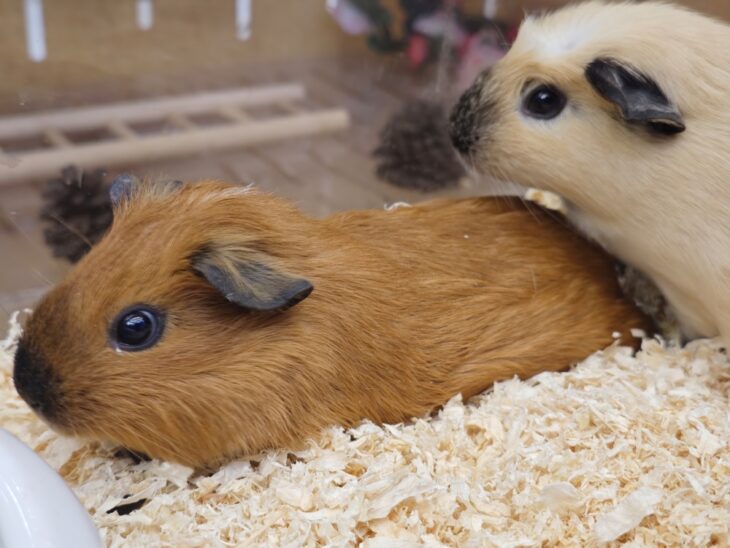
The floor is the most important part of a guinea pig cage because these little grazers spend the majority of their time on it. You have several options, but each has its pros and cons depending on how often you want to clean.
- Paper bedding: This is a popular choice because it’s absorbent, soft, and effective at controlling odors. You might want to try Soft Brown Paper Bedding, Unbleached White Paper, Marigold, Lavender, or Rose White Paper Bedding.
- Hemp or aspen shavings: If you prefer a woody texture, Aspen Shavings and Hemp Hurd are good options. They don’t release harmful oils that can damage your friend’s lungs.
- Kiln-dried pine and corn cob: Regular pine isn’t ideal, but many people use the kiln-dried version because the drying process removes most of the problematic phenols. You could give the Pine Pellet Litter/ Bedding combo a shot, or even Premium Corn Cob.
Bedding material to avoid
Make sure you steer clear of cedar. It’s not safe for your guinea pig’s respiratory system. Always check product labels to ensure the manufacturer hasn’t treated the wood with toxic ingredients, such as artificial dyes or heavy oils.
Controlling natural odor
Many parents worry that bigger enclosures mean more odor. Although this is true, it’s easier to manage. Unlike in larger spaces, bedding tends to get soaked almost immediately in a cramped place.
In this case, you don’t need fragrances or harsh chemicals that can irritate your cavies’ sensitive noses. Instead, you can mix white vinegar with water to wipe down the base during deep cleans.
Elements of a Good Enclosure For Your Piggy
A functional guinea pig cage requires more than getting the size right and using hygienic bedding. You also need to consider how furballs eat, drink, and generally spend their day. Here are examples of accessories that are almost non-negotiable:
Hay
Your cavies need regular access to hay to improve their digestive and dental health. It also aids mental stimulation. Common choices include Timothy Hay Cubes, Orchard Hay, Oat Hay, or Alfalfa Hay, depending on your piggy’s preferences.
Water
Water is just as important as hay since they need it primarily for hydration. You have to make sure it’s available at all times. A sturdy bottle or a heavy bowl in the guinea pig cage works best so they can’t tip it over.
Hidey space
Many guinea pigs need a private spot like Castles, so they have a place to run to when things get overwhelming. If there’s only one space for two, you’re going to see a lot of fighting over who gets the best corner.

Boredom Buster Suggestions
Your soft-coated friends need some enrichment toys to actually enjoy life in the guinea pig cage. This helps them express several instincts, including chewing, nibbling, digging, and scratching. Boredom buster options include Seagrass Mat, Wooden Drawer Puzzle, Lid Puzzle, Hay Manger, Play Table, or an 8-Toy Bundle.
Rotating these items every few days keeps them curious. You can also hide treats like the Flower Forage Bar or Cranberry Apple under their hay. This encourages them to forage for their food just like they would in the wild.
Curious About What a Proper Guinea Pig Cage Looks Like?
If you’re looking for a visual guide on an ideal guinea pig cage, this short video from Saskia will help you get started. You can see how relaxed these fluffy foragers are when they have enough room to breathe. It puts things into perspective for any parent who wants a comfortable habitat for their piggies.
Conclusion: Spacious Enclosure, Healthy Guinea Pigs
From picking the right bedding to ensuring they have enough room to run within a guinea pig cage, every choice you make impacts your friends’ wellbeing. It’s much better to invest in an enriched environment than to pay for vet bills for poor living conditions. Give them more hay, treats when necessary, and fresh water.
Disclaimer:
We are not veterinarians, and none of our information should be construed as veterinary advice.
Before adding any new product, please consult your exotic veterinarian. If your pet is acting unwell and you have concerns for their well being, please contact your vet immediately.

Betty Nelson is a lover of small pets with hands-on experience raising chickens, rabbits, guinea pigs, hamsters, and other small companions. She shares simple, practical tips based on real experience and trusted research to help you care for your furry friends. Her goal is to help pet parents take care of their little ones easily, enjoyably, and rewardingly.