


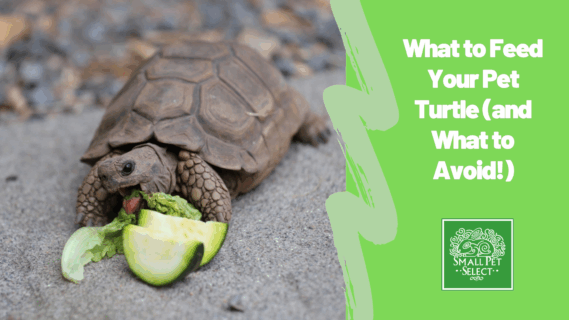
Turtle food choices directly influence growth, shell development, and overall health. Although turtles are often considered low-maintenance, their nutritional needs vary by species, age, and living conditions.
Knowing what they should eat minimizes diet-related problems. This article explains the foods turtles need for nutrition and those that are unsafe for consumption.
Basic Turtle Nutrition
A healthy turtle diet depends on balance, rather than quantity. In the wild, they eat various plant matter, such as algae, and protein sources like beetles, depending on their habitat. This is one way to ensure that your friend doesn’t develop any nutritional deficiencies or digestive issues.
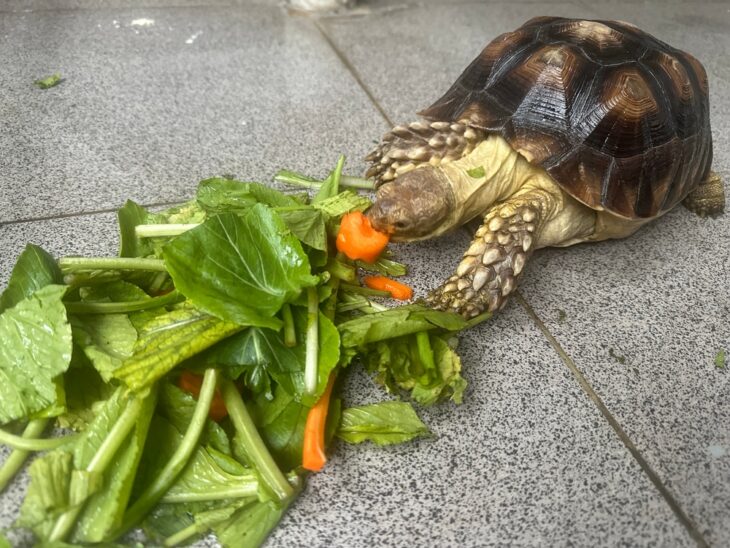
A typical turtle feeding regimen would be:
- Protein sources
- Vegetables and leafy greens
- Commercial turtle pellets
- Small amounts of fruit as an occasional treat
Age also matters. Juvenile turtles need more protein for quicker growth, while adults rely on plant-based turtle foods to maintain long-term health.
Vegetables and Greens
Vegetables and leafy greens provide fiber, vitamins, and minerals, aiding digestion and improving shell strength. They should make up a large portion of an adult turtle’s daily food intake.
Best veggies for your turts
Popular choices include:
- Dark leafy greens such as dandelion and collard
- Romaine lettuce
- Squash and zucchini
- Bell peppers
- Duckweed and water lettuce for aquatic turtle species
These turtle food options support hydration and nutrient intake without overwhelming the digestive tract.
Veggies to serve in moderation
Some vegetables are safe, but you should offer them occasionally. Here’s a look:
- Iceberg lettuce
- Spinach
- Veggies high in starch, such as potatoes
Protein-rich Turtle Food options
Protein is essential, especially for growing turtles. However, excess protein can deform their shells and cause quicker growth over time.
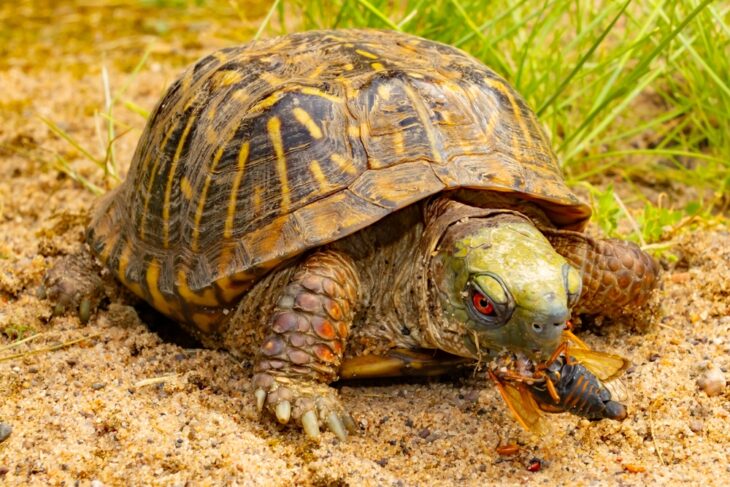
Healthy protein options
Turtle foods with protein sources include:
- Insects such as crickets or mealworms
- Earthworms
- Shrimp
- Commercial pellets
Always make sure that you purchase live or frozen groceries from reliable sources in order to avoid any risk of contamination.
How Often to Feed Protein
- Juveniles: Throughout the week
- Adults: A few times per week.
How often to feed protein depends on the turtle. You can vary the feeding schedule depending on the growth rate of your turtle.
Pellets
Commercial pellets play an important role in modern turtle food routines. High-quality formulations provide consistent nutrition and fill gaps left by fresh foods. Choosing the ones designed for your shellies’ species ensures appropriate nutrient ratios.
Keep this in mind when using pellets:
- Don’t overfeed
- Store properly to maintain freshness
Fruits: Occasional Treats, Not Daily Turtle Food
You can treat your turtle to fruits, but just not too often. They contain natural sugars that can strain the digestive system if overfed.

Safe Fruits for Turtles
Safe fruits are a great addition to pet reptiles’ overall health, and turtles are not exempted. Below are some of the best you can try:
- Berries
- Melon
- Apple slices (seeds removed)
- Papaya
Try these fruits about once or twice per week.
Turtle Foods to Avoid
Some meals that are safe for humans can be harmful to turtles. When you let your turts feed on them, these can cause nutrient imbalances, digestive problems, or toxic reactions.
What to refrain from
Processed or seasoned human foods
You should never provide spiced, salted, or heavily processed foods for your turtle. It can hamper their body functions.
Dairy products
Your tortie friends don’t produce the enzymes needed to digest dairy properly, which can cause bloating or discomfort.
Bread or pasta
These foods offer little nutritional value and mostly empty calories, which can contribute to weight gain or other health issues.
Sugary snacks
Candies, chocolate, and other sweet treats can disrupt metabolism and lower your turtle’s energy levels.
Toxic plants
Certain plants, like avocado, rhubarb, and some houseplants, are poisonous to turtles. Even a small amount can be dangerous, so you should keep them completely out of reach.
Why some foods may not be safe
Feeding turtles harmful foods can hinder calcium absorption, lead to obesity, or even cause poisoning. Keeping these out of their diet ensures your turtle gets the nutrients it needs safely.
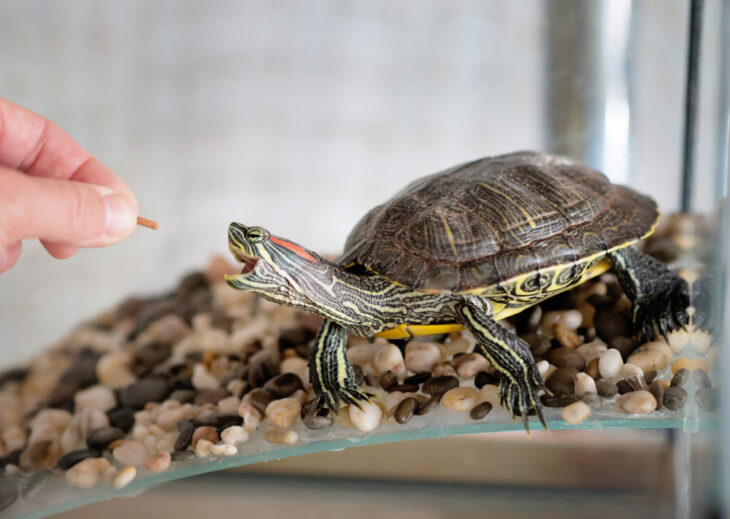
General Feeding Tips For Turtles
Feeding turtles effectively involves more than picking the right foods. Timing and attention matter too. Keep these practices in mind:
- Remove uneaten turtle food promptly to keep the water clean
- Feed at roughly the same times each day
- Watch for changes in appetite or behavior
- Introduce new foods gradually, adjusting their portions accordingly.
Conclusion: A Happier, Healthier = Right Feeding Routine
Choosing the right turtle food is essential for healthy growth and a strong shell. You should provide protein sources, leafy greens, commercial pellets, and a little fruit to provide adequate nourishment for their bodies.
Minor cues may indicate that something is wrong with what you’re feeding. Monitor your friends’ appetite as well as their behavior. Your turtle can live a healthy life through the right feeding practices.
Disclaimer:
We are not veterinarians, and none of our information should be construed as veterinary advice.
Before adding any new product, please consult your exotic veterinarian. If your pet is acting unwell and you have concerns for their well being, please contact your vet immediately.