


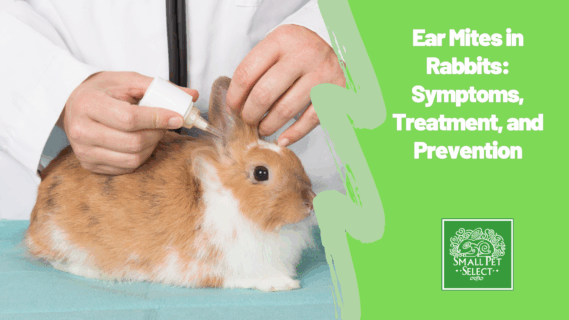
Ear mites in rabbits, otherwise known as Psoroptes cuniculi, are a common problem you’d likely face as a pet parent. They are tiny parasites, usually not visible to the naked eye, that feed on skin debris and tissue fluid in the rabbits’ ear canal.
Primarily, they are transmitted through direct contact with an infected rabbit or their eggs in an environment. If these mites are not detected early, they can cause secondary bacterial infections, inflammation of the ear canal, and severe pain.
In this comprehensive guide, we will walk you through everything you need to know about the symptoms, treatment, and prevention of ear mites in rabbits.
Early Signs and Symptoms of Ear Mites in Rabbits
Fortunately, ear mites in rabbits can be easily managed. If they are tackled early enough with the right treatments, your bunnies can recover completely. Here are some of the most common signs that rabbits show when infested with ear mites:

Excessive Scratching of the Ears
During the early period of ear mite infestation, one of the signs you’d notice is continuous scratching around the ear. In many cases, rabbits shake their heads frequently in an attempt to rid themselves of these unwanted parasites.
Thick Discharge Inside the Ears
As the infestation advances, you’d notice a crusty buildup in the ears, which can spread from the ear canal to the outer part of the ear. This buildup ranges from yellowish to brown or black in colour. The crust is usually a mixture of dried blood, mites’ waste, and debris.
Inflammation and Redness of the Ear
In extreme cases, ear mites in rabbits irritate their ear tissues; as a result, you may notice severe swelling and redness inside your rabbits’ ears. This can block the ear canal and lead to difficulty in hearing if not attended to early.
Behavioural Changes
Your rabbits may also exhibit certain behavioural changes, such as:
- Loss of appetite
- Becoming lethargic and irritable
- Grinding of teeth
- Withdrawal from social activities
How to Diagnose and Treat Ear Mites in Rabbits
If you suspect ear mites in your rabbits, the first step is to consult with your veterinarian for proper diagnosis. A professional veterinarian will take your rabbits through the following examination process:
- Physical Examination: This usually involves checking the ear canal of your rabbit to see if there are irritations, discharge, or inflammation. If necessary, your veterinarian would use an otoscope to look deeper into the ear canal for other signs of infestation.
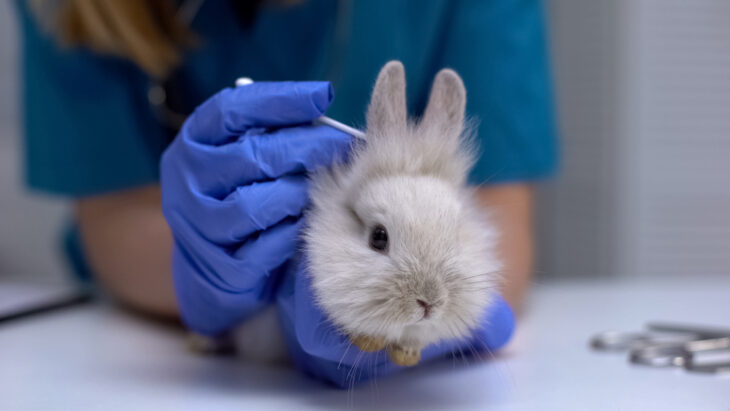
- Microscopic Analysis: For proper diagnosis, samples of ear debris are usually collected from rabbits’ ears and tested under the microscope. The microscope helps to confirm if the problem is ear mites or other ear-related problems, like fungal and bacterial infections
Once ear mites or their eggs are confirmed in your rabbits, your veterinarian will recommend a treatment plan to follow. Some of the treatment methods for ear mites in rabbits are highlighted below:
Treatment with Medications
This treatment method usually involves a combination of systemic and topical medications, which are either applied to the skin or given orally, depending on what is recommended. Two common medications used for this treatment are Ivermectin or Selamectin. They are safe and highly effective against ear mites.
Ear Cleaning
In addition to using medications, cleaning the ear gently can help remove debris and contribute to the effectiveness of the medications. However, the cleaning should be done by your veterinarian alone. This is because forceful removal of the buildup may damage the delicate skin inside the ear. In extreme cases, anti-inflammatory drugs or antibiotics may be prescribed to relieve pain and secondary infections.
Treating Other Rabbits
Given the highly contagious nature of ear mites in rabbits, it is important to treat the other rabbits in your household even if they have not yet shown any symptoms.
Tips for Preventing Ear Mites in Rabbits
Ear mites can be prevented to a considerable extent if the following preventative measures are taken:
Keep Your Rabbits’ Environment Clean
Prevention of ear mites in rabbits begins with good husbandry practices. Ensure you clean and sanitise your rabbits’ cage, bedding, and grooming tools that come in contact with your rabbits.
Regularly Apply Human-Graded and Organic Gel
In addition to cleaning your rabbits’ environment, regularly apply external parasite control gels such as pestervert gel. The gel you are going for is 100% organic, totally human graded, and does not contain anything that will cause harm if ingested or breathed in.
Practice Isolation
When you bring a new rabbit home, keep it in a separate area for at least two weeks to monitor closely for any signs of ear mite symptoms. If the new rabbit shows no sign of illness, you can gradually introduce the rabbit to your existing ones under close supervision.
Provide Your Rabbits with a Balanced Diet
Healthy rabbits are usually more resistant to parasites. So ensure you regularly feed your rabbits with a balanced diet that is rich in minerals and vitamins. It is rare for rabbits to get mites from hay as long as you’re getting the hay from a reputable supplier.
Also, use remedies and supplements that only contain natural ingredients and promote plant-based healing.
Consult Your Veterinarian
Regularly visit your veterinarian for a checkup to detect ear mites in rabbits early before they become worse. This preventive method is vital if you live in an environment where ear mites are common.
Final Words
Ear Mites in Rabbits are serious problems that can be easily managed. By detecting the symptoms early, visiting your veterinarian for treatment, and practising preventative measures regularly, you can protect your rabbits from discomfort and secondary bacterial infections.
Disclaimer:
We are not veterinarians, and none of our information should be construed as veterinary advice.
Before adding any new product, please consult your exotic veterinarian. If your pet is acting unwell and you have concerns for their well being, please contact your vet immediately.