


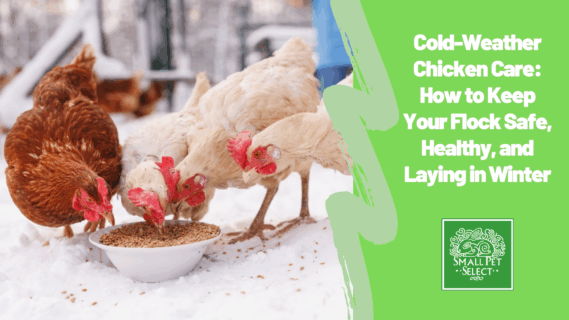
Many avian parents often find themselves wondering how to keep chickens warm. The reason is simple: cold weather can weaken immune systems, slow down egg production, and make your feathered companions more vulnerable to frostbite.
From experience, setting up the right routines can help them stay comfortable and healthy throughout the winter. One way is to keep their drinking water from freezing, and another is to use bedding safe for winter. This guide will provide the key tips you need to know about caring for your companions in colder months.
Winterizing the Coop: How to Keep Chickens Warm
Surprisingly, chickens are pretty hardy creatures. During winter, they puff out their feathers and often huddle together on their roosts, sharing body heat to conserve energy.
However, strong drafts and excess moisture can work against their natural instincts to beat the chill. This is especially true if you’re unsure how to keep chickens warm in their coops. Here are some helpful tips to get you started:
Insulate Your Chicken Coop Without Overheating
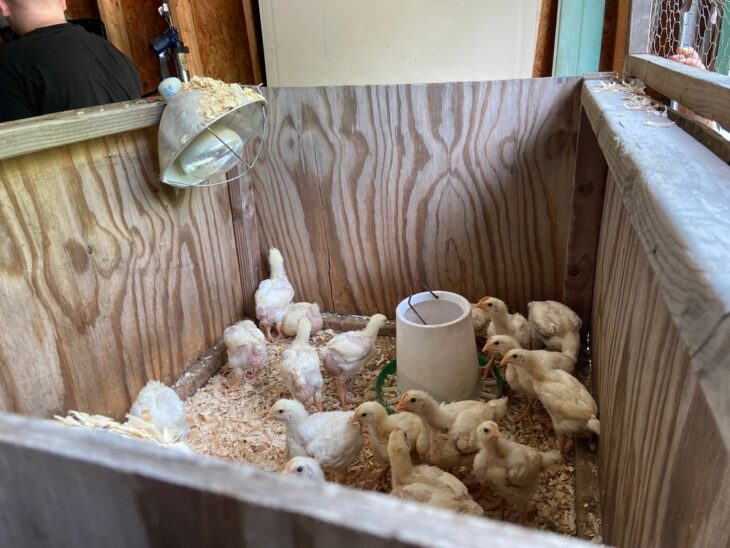
Chickens don’t need a fully enclosed space to keep warm. Just ensure their coop is dry and protect it from direct air.
You can insulate using:
- Straw bales stacked against the outer walls
- Closed-cell foam boards are attached to the inside of the coop walls
- Temporary cardboard layers behind the interior walls
- Pine Shaving bedding for bedding, which can absorb moisture from droppings and provide extra warmth
You can also consider the deep-litter method for some added heat. This technique allows you to layer fresh bedding, like Hemp Hurd, over soiled areas instead of cleaning them immediately.
Block Harsh Wind With Plastic, Panels, And Tarps
Wind exposure can drastically lower coop temperatures. Use plastic sheeting, plexiglass panels, or clear tarps to protect your flock while still allowing sunlight to filter through.
How to Keep Chickens Warm With Access to Water
Hydration facilitates digestion, energy, and egg laying. It also helps chickens regulate their body temperature, so it’s crucial that they have frequent access to fresh water.
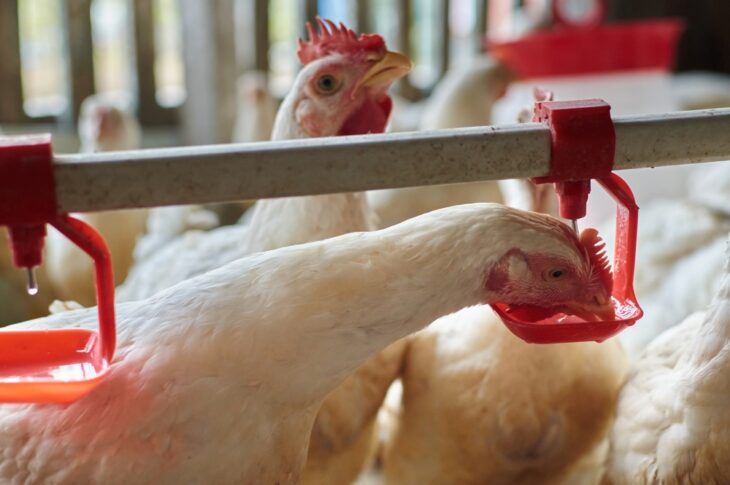
In other words, understanding how to keep chickens warm goes hand in hand with proper hydration. Here are some pointers to help you out:
- Thawed supply: Unfreeze water regularly using heated waterers, submersible heater coils, or black rubber bowls. Ensure you replace them regularly.
- Sheltered placement: Keep waterers in a draft-free area to prevent spills that could wet bedding and chill birds.
Winter Nutrition
Chickens use more calories when it’s cold outside, as they have to maintain their body temperature. Without fuel, they can lose weight and reduce egg production. That’s why good nutrition plays a significant role in keeping chickens warm.
Energy-rich feed options
- Scratch Cereals (5% to 10% of the diet)
- Protein pellets for Starters, Growers, or Layers
Treats
Cold weather doesn’t have to be boring. You can offer healthy and tasty chicken treats to improve their overall health:
- Grub Bugs for protein
- Flaked Oyster Shells for strong eggs
- Vitamin-packed Pea Flakes to strengthen the immune system
- Heavenly Green Crunch Herbal Blends for respiratory support
How To Prevent Frostbite and Other Winter Health Concerns
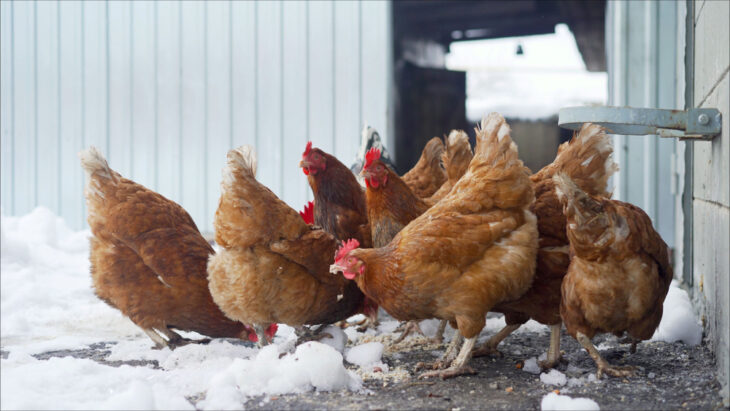
Cold weather poses a range of health issues for chickens, including frostbite, hypothermia, and respiratory infections. Knowing how to keep chickens warm minimizes these risks.
Frostbite prevention
Frostbite affects combs, wattles, and toes of your feathery companions. Here’s how to help them:
- Keep the coop dry
- Ensure ventilation
- Provide wide, dry roosting bars so birds can cover their toes
- Apply a thin layer of petroleum jelly on large combs for warmth
Foot and leg care
Snow, slush, and ice usually pack between a chicken’s toes. You can add straw, hay, wood chips, rubber mats, or sand in walking areas to prevent ice balls and irritation.
Egg-laying
In winter, avians lay fewer eggs due to shorter daylight hours. However, you can increase production with these steps:
- Colored lights: Provide 14 to 16 hours of light per day using warm-colored bulbs
- Lighting frequency: Avoid harsh lighting
- Time management: Set timers for consistency
- Nesting care: Add Nesting Pads in each nest box to prevent cracked eggs
Conclusion – Warm Chickens are Happy Companions
That concludes our guide on how to keep chickens warm during winter. Taking care of them during this time of the year doesn’t have to be complicated. You have already overcome a significant part of their winter challenges by offering a well-ventilated coop, a draft-free environment, warm water, and a calorie-rich diet.
Your companions won’t just be happy with you; they’ll be able to scratch, wander, and enjoy the season without frostbite or respiratory infections. Additionally, you can collect fresh eggs regularly without any issues.
Disclaimer:
We are not veterinarians, and none of our information should be construed as veterinary advice.
Before adding any new product, please consult your exotic veterinarian. If your pet is acting unwell and you have concerns for their well being, please contact your vet immediately.