

When you first brought your bunny home, you probably obsessed over finding the best rabbit food. That’s great, but honestly, reading your rabbit’s behavior matters just as much. Rabbits are experts at pretending everything’s fine, even when they’re not. So unless you’re paying close attention, it’s easy to miss those early warning signs.
Let’s say your bunny suddenly ignores their favorite treats, hay, or pellets; that’s a big deal. It usually means their digestion is slowing down, and waiting to see if they’ll bounce back rarely helps. Here’s what’s normal and what’s not when it comes to your rabbit’s food routine and daily habits.
What’s Normal And Abnormal In Rabbit Food Routine?
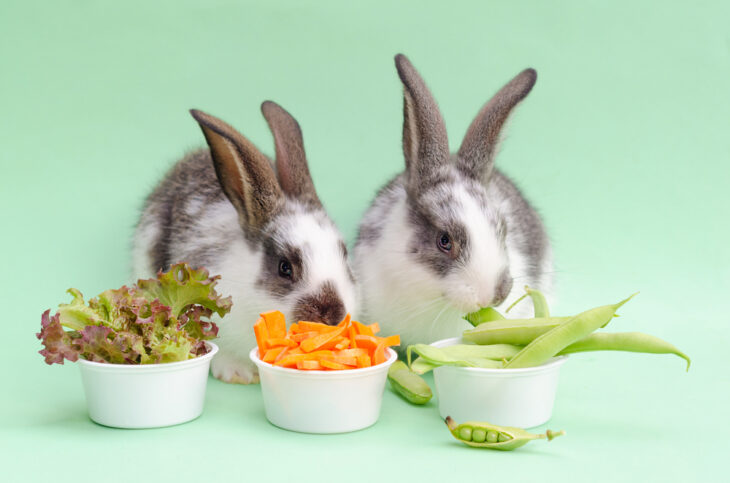
Most bunnies have their own little routine. They’re busiest at dawn and dusk, racing around, exploring, and munching on hay and their rabbit food.
A healthy rabbit has bright eyes, a twitchy nose, and a shiny coat. So if your usually energetic bunny suddenly gets quiet or skips breakfast, pay attention. Even small shifts in their routine can be a sign that something’s up.
Digestion and appetite
Rabbits are built to graze all day; they almost never take long breaks from eating. If your bunny suddenly stops, that’s not okay.
Droppings
Checking the litter box is the easiest way to keep tabs on your rabbit’s health. You want to see droppings that look the same every day; round, firm, and plenty of them. If they get tiny, dry, or stop altogether, that’s a sign you shouldn’t ignore.
When to Call A Vet
It’s normal to second-guess yourself; no one wants to rush to the clinic for no reason. But with bunnies, being cautious is usually the better move. Most emergency visits are due to conditions like gut stasis, ear infections, or dental problems that can escalate quickly.
It usually starts quietly. You might notice they’ve lost interest in everything, including their favorite rabbit food.
You should call a vet if you notice:
- No food intake for six hours or more
- Grinding their teeth loudly and constantly.
- Circling repeatedly or tilting the head to one side.
- Runny eyes, sneezing, or a wet nose.
Gut stasis is one of the most common emergencies, with some studies suggesting it occurs in roughly 25% of cases. It’s essentially when digestion slows down or stops entirely. If you see your little ones withdrawing or squinting as if they’re trying to handle a lot of discomfort, it’s safe to assume they’re in real pain and need help.
What To Do If You’re Unsure: Handling Rabbit Food And Emergencies
Physical behavior is an essential clue, but temperature matters too. If you notice your rabbits feel unusually cold, especially if they have diarrhea or are struggling to breathe, you should treat it as an emergency.
When you aren’t sure what to do, take these preventive measures:
Provide good food
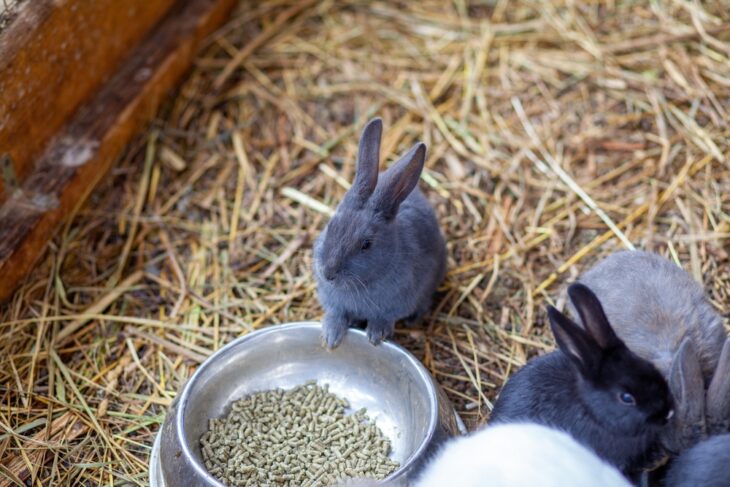
Good health really starts with their diet. High-fiber hay should be the main thing they eat every day. You can try options like Oat Hay or Alfalfa (for younger rabbits) to keep their digestion on track. A few pellets can be a good addition to their rabbit food plan, but it’s best to use them sparingly.
Chewing isn’t just about the nutrients, either; it’s what keeps their teeth from overgrowing. Without enough fiber to grind down on, they can end up with painful spurs that make eating a struggle.
Keep a first aid kit
Having a few supplies on hand can help you manage things while you’re waiting to see a professional. It’s helpful to keep:
- Recovery formula: A high-fiber powder you can mix with water for syringe feeding.
- Digestive Health Support: Things like probiotics or chamomile to settle their stomach.
- A digital thermometer: So you can check their temperature at home.
- Feeding syringes: For giving them water or food if they’ve stopped eating.
These tools aren’t a replacement for a vet, but they can buy you some time.
Get those early vet check-ins
Getting an expert to look over your long-eared friend early on is important. During these visits, they can check on the spots you usually miss, like the heart, lungs, and the back of the mouth. It’s also a good time to discuss which food brands suit their current age and energy levels.
Conclusion – Trust Your Guts And Check With Your Vet
You know your bunny better than anyone else. If something feels off, even if they’re still nibbling their rabbit food, don’t wait. It’s always better to be safe. Rabbits hide pain well, so they’re counting on you to notice when things aren’t right.
Disclaimer:
We are not veterinarians, and none of our information should be construed as veterinary advice.
Before adding any new product, please consult your exotic veterinarian. If your pet is acting unwell and you have concerns for their well being, please contact your vet immediately.