


One of the first sets of questions that often lurks in the minds of new parents is as simple as “What do chickens eat?” You don’t want them to survive on random bugs alone. Their meals need to contain appropriate proportions of protein, calcium, and minerals to ensure they stay healthy.
If your avian companions aren’t eating well, it’ll show in their feathers. You’ll also notice them mistaking their flockmates for food. This is your cue to take their diet seriously.
What Do Chickens Eat as They Grow?
Your answer to “What do chickens eat?” depends on your little ones’ life stage.
Starter
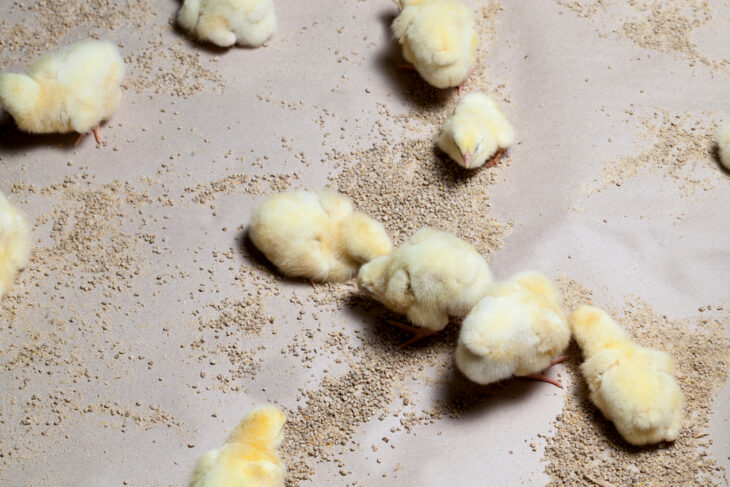
Baby chicks need a specific Starter Feed to support proper bone and muscle formation during the first few weeks of growth. Quality commercial options usually have 20% protein. You shouldn’t introduce an adult meal at this stage to prevent kidney issues.
Grower feed
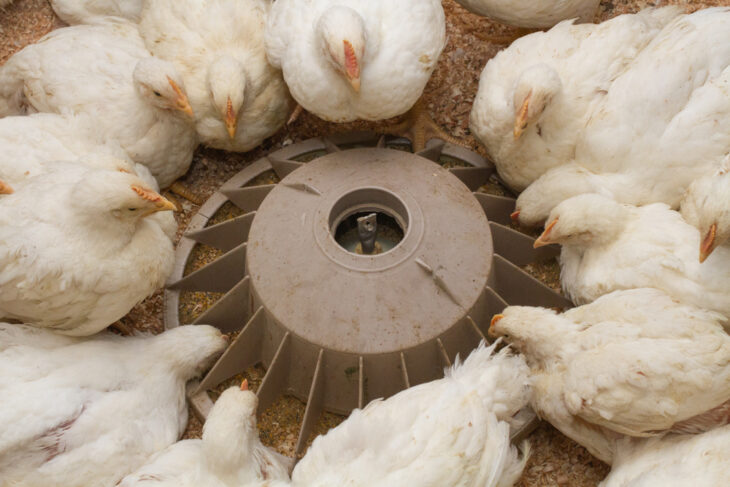
At six to eighteen weeks, your feathered companions can try a Grower Feed. They need less protein, but more vitamins for energy and organ development. This way, you get to prepare their bodies for egg production.
Many parents also include Grits in their little ones’ diets to support the development of the gizzard (an organ that aids digestion).
Layer diet
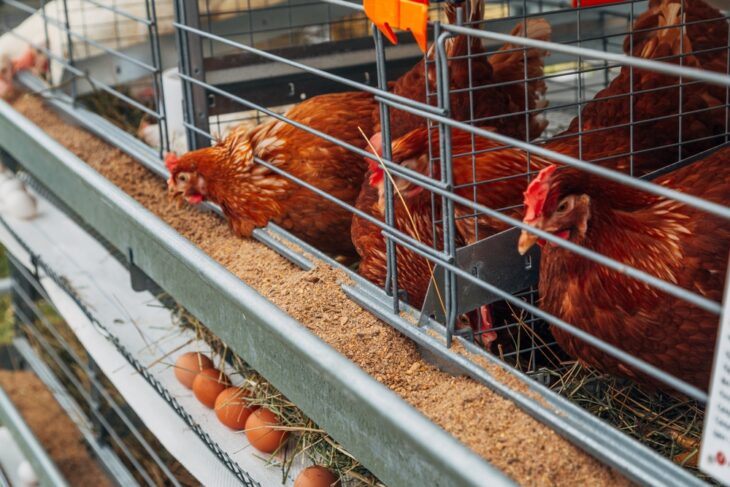
Once you start seeing those first few eggs in the Nesting Box, consider Layer pellets. They contain specific vitamins and proteins that support healthier output. Since they also need calcium for strong eggs, it helps to sprinkle some Flaked Oyster Shells into the dish from time to time.
What Chickens Can Eat And What They Can’t
You likely appreciate the experience of seeing your flock running around the backyard. But have you ever asked, what do chickens eat safely?
Safe meal options
Besides the regular commercial feeds, some foods work well as staples for your yard birds because of their high nutritional content.
- Garden staples: Broccoli, pumpkins, and cucumbers are great for hydration. They also act as a source of vitamins.
- Dandelion greens: Great for bodybuilding
- Fruits: Blueberries and apple slices (without the seeds) are rich in antioxidants, which help boost your chickens’ immune system.
- Oregano: Known for its natural antibiotic properties and for improving gut health.
- Parsley: Stimulates egg laying
- Proteins: Mealworms and scrambled eggs are those snacks they could go crazy for.
Foods to avoid
Your companions can have cravings for sugary or salt-processed “human” foods. Even if they hover or try to act cute around you, don’t give in; you want to avoid heart problems, respiratory issues, or long-term organ failure.
- Chocolate
- Caffeine
- Moldy scraps
- Potato skins
- Tomato leaves
- Avocado
Food Quantity And Timing For Chickens
If you’re wondering what chickens eat in terms of volume, a quarter-pound of feed per day may work for an average adult. In some cases, it’s preferable to let them peck as they please. Your little ones will likely leave when they’re full.
This way, meeker birds won’t be bullied out of feeding by bigger and more aggressive ones.
Hydration and digestion
No matter how nutritious chickens’ pellets or foods are, they still can’t afford to get dehydrated. Those little foragers need liquids to digest food properly. You need to add clean water every morning to keep algae and bacteria at bay.
They tend to drink more than usual in the summer, so you have to check their waterers regularly to see if they need more water.

Chicks, Layers, and Molting Chicken Diet
Dietary needs vary by seasons and life stages. The reality is that what chickens eat as babies, as layers, or during molting is usually different.
Molting
When your yard neighbors are molting, they stop laying eggs and focus on growing new, beautiful feathers. During this time, they need high protein meal for recovery.
Baby chicks and layers
Baby chicks also require a lot of protein for growth. For peak-producing layers, you’ll need to work on their calcium levels. If you notice thin eggshells, give them oyster shells to eat.
During the winter, you might also consider Scratch Grain as a side dish, which not only keeps them warm but also encourages foraging.
Offering your friends age-appropriate meals will make them feel much better, regardless of their life stage.
Conclusion: You Can Be Intentional About What Your Friends Consume
The inquiry, “What do chickens eat?” isn’t something to be taken lightly. If you get it right in terms of volume, freestyle feeding, and safety, your friends will stay happy and healthy. They could lose their lives or become less productive if they don’t eat well.
Just watch your flock’s behavior and egg quality; they’ll usually tell you if something is wrong with their diet. Once you have it figured out, they’ll thank you with a steady supply of fat, healthy eggs.
Disclaimer:
We are not veterinarians, and none of our information should be construed as veterinary advice.
Before adding any new product, please consult your exotic veterinarian. If your pet is acting unwell and you have concerns for their well being, please contact your vet immediately.

Betty Nelson is a lover of small pets with hands-on experience raising chickens, rabbits, guinea pigs, hamsters, and other small companions. She shares simple, practical tips based on real experience and trusted research to help you care for your furry friends. Her goal is to help pet parents take care of their little ones easily, enjoyably, and rewardingly.