


Finding the right rabbit food is usually the first thing on your mind when the frost starts to settle on the windows. You might notice your bunny isn’t rushing to the bowl quite as fast as they used to. Is it the chill or the change in light?
Although it isn’t necessarily a cause for panic, it does require a bit of extra attention from you. This article explains in detail why your furry friends might suddenly act like their lives don’t depend on their meals and, more importantly, how you can help them get their appetite back.
Natural Seasonal Slowdowns in Appetite
It’s perfectly normal for a rabbit’s metabolism to fluctuate when the environment changes. In the colder months, their bodies work overtime to maintain their internal temperature. You might think this would make them hungrier, but often, the opposite happens.
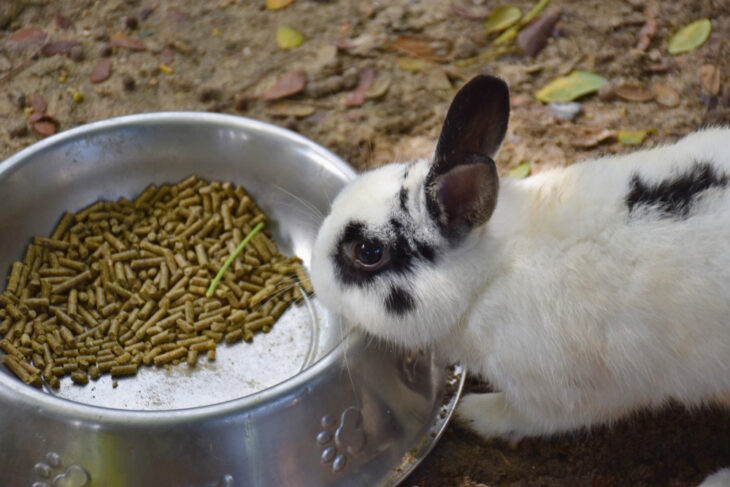
Many bunnies enter a “conservation mode,” dropping their activity levels to save energy. This shift naturally means they’ll have a smaller appetite for their daily rabbit food and Pellets. It’s actually a biological holdover from their wild ancestors; when resources were scarce in the winter, rabbits learned to survive on less.
How Temperature and Environmental Changes Impact Rabbit Food Intake
A drop in temperature can also change how they perceive their space. If your furry companion is housed outdoors or in a drafty part of the home, it’ll often spend more time huddled in a ball to conserve heat rather than foraging. Although this is usually just a survival instinct, it’s a different story if they stop eating entirely.
Keeping a close eye on the ratio of hay to pellets is essential during this shift to ensure their gut stays moving.
Light levels also play a massive role. Since rabbits are most active at dawn and dusk, the shorter winter days can shift their “active windows.” This timing change often dictates when they decide to approach their rabbit food.
Finally, consider the air quality. If your indoor heating is making the air particularly dry, it can impact their hydration. A bunny that isn’t drinking enough is naturally going to be less inclined to munch on dry meals.
How Stress And Boredom Affect Rabbit Food Consumption
Winter isn’t just cold; it’s dark. That lack of sunlight can dampen a rabbit’s mood just as much as ours. Bored buns often become lethargic, and if they aren’t hopping around or exploring, they won’t burn the calories needed to trigger a healthy hunger for their rabbit food.
Environmental stress is also a quiet appetite killer. Between loud holiday music, house guests, or even the sudden roar of a furnace, a sensitive rabbit can easily stay on edge. To keep them interested in their meals, focus on daily enrichment:
- Movement: Cardboard boxes, Willow Balls, Sisal Ropes, and Tunnels can encourage them to stay active.
- Foraging: Hide a few pieces of high-quality rabbit food or aromatic herbs, such as Green Crunch Mix or a Herbal Sampler, inside a snuffle mat.
- Quality time: Spending more time on the floor with them can reduce their stress levels.
When your little friends feel secure and entertained, they’re far more likely to maintain their usual eating habits.
Common Bunny Health Issues Beyond the Cold
Although seasonal changes are real, you have to be careful not to blame the weather for a genuine medical problem. Bunnies hide their pain better. If they start turning up their nose at their rabbit food, you need to quickly rule out a few health-related usual suspects:
- Dental problems are usually the primary culprit. If a rabbit’s teeth are overgrown or have developed sharp spurs, chewing becomes a nightmare. They might be hungry and interested in their meals, but the physical act of eating is just too painful to manage.
- GI Stasis is the other source of concern. This is a life-threatening condition in which the digestive system slows or stops entirely. If you notice smaller droppings or no droppings at all, treat it as an emergency.
- Respiratory Issues: Winter air can be dry and dusty, leading to the snuffles. A rabbit that can’t smell its meal properly often won’t have the drive to eat it.
Note: This information is for educational purposes and does not replace professional medical advice. If your rabbit stops eating for more than 12 hours, loses weight rapidly, or appears lethargic, please consult a qualified veterinarian immediately.
How to Encourage Your Rabbits To Eat More
If you’ve ruled out a trip to the vet, there are several ways to make mealtime more appealing. Sometimes, all it takes is a little “restaurant-style” service to get them back in their bowls.
Create a warmer space
Start with their environment. If the floor is freezing, your bun won’t want to move. Add extra bedding, such as Marigold White Paper or Aspen Shavings, to insulate their living area.
If they feel cozy, they’ll spend less energy shivering and more energy looking for rabbit food.
Refresh the hay selection
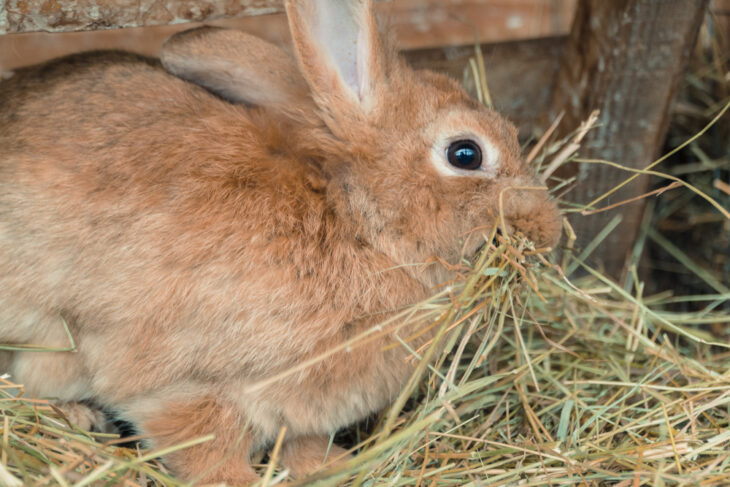
Hay is the standard staple. In winter, hay can get stale or damp from the air. Instead of a single daily feeding, try refreshing the hay rack three or four times a day.
The scent of fresh-cut grass is a major appetite stimulant. You can also mix different types to keep them engaged:
- Timothy Hay: Offer 1st, 2nd, and 3rd cuttings to see which texture they prefer.
- Orchard Grass: Orchard Hay is often softer, sweeter, and more aromatic.
- Oat Hay: Great for bunnies who love a bit of extra crunch and color.
- Alfalfa: Alfalfa Hay is a good option if your buns need more protein, though it’s best used sparingly for healthy adults.
Conclusion: Weather The Frost With Healthy Rabbit Meals and Environment
Winter requires more vigilance from parents. Keeping a close watch on how much rabbit food they finish each night usually tells you everything you need to know about their well-being. If you notice a steady decline over several days, it’s best to take action early.
Don’t wait until they stop eating entirely to make a change. Small adjustments to their environment, a few extra handfuls of fresh hay, and a bit of quality time with them can keep them healthy until the spring thaw.
Disclaimer:
We are not veterinarians, and none of our information should be construed as veterinary advice.
Before adding any new product, please consult your exotic veterinarian. If your pet is acting unwell and you have concerns for their well being, please contact your vet immediately.