


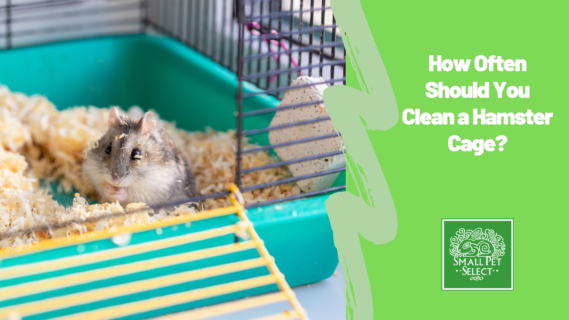
A hamster cage can look perfectly clean and still feel completely wrong to your furry friend. That’s the part most parents miss. You’re focused on hygiene, but they’re big on scent.
They map their space through smell, not sight. Every corner, tunnel, and bedding pile carries signals they’ve left behind. When everything gets stripped at once, it becomes unfamiliar.
Why Over-Cleaning a Hamster Cage Is a Total Buzzkill
Imagine you’re living in a city where you’re the only human. If you suddenly felt the neighbors were unhappy, you wouldn’t be able to lift the mood by scrubbing every inch of your home. In fact, over-cleaning a hamster cage doesn’t just stress them out; it makes you do more work for nothing.
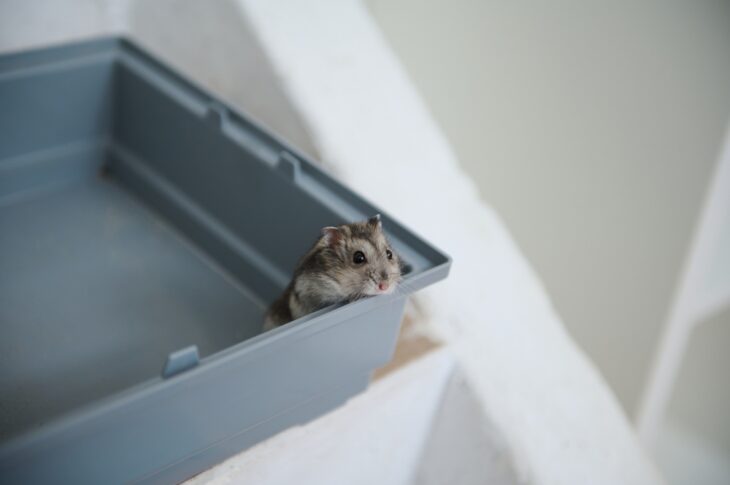
Why is that? Those furballs love the taste of home; they don’t want their identity to disappear. Since they rely so heavily on scent, removing the smells they’re used to is like shutting down their sight.
They place scent markers in every corner so they can find their food, bed, and toys. Once you cross the line and strip those away, they panic and tend to protest with behaviors like frantic digging or pacing back and forth.
At the same time, you still have to ensure that waste doesn’t pile up. If it does, ammonia will build up and can cause serious respiratory problems.
How Frequently Should You Tidy Up?
You don’t need to tear everything apart every few days. A steady rhythm works better than full maintenance.
Here’s what that looks like with your hamster cage:
Check bathroom areas daily
Don’t just scan the corners; remove any wet bedding, spoiled fresh food, and leftovers before mold has a chance to grow. Also, give their water bottle a quick tap to check for leaks, as damp spots can cause skin irritation.
Refresh high-traffic spots weekly
There’s no need to dump all the bedding. Swap out a small portion; around 15 to 20 percent is usually enough. Focus on the nest entrance or favorite tunnels. You can add fresh Aspen Shavings, Soft Paper, or Paper Pellets in those areas and leave the rest alone.
Save the deep clean for when it’s obvious
If the enclosure looks grimy or the smell lingers, that’s your cue. Before you reset everything, set aside a handful of clean, dry bedding and sprinkle it back in afterward.
Over-cleaning vs Under-cleaning: Finding A Balance
Keeping a hamster cage clean isn’t about making it spotless. It’s about knowing when to step in and when to leave it alone. Most of the time, your friend’s behavior tells you which side you’re leaning toward.
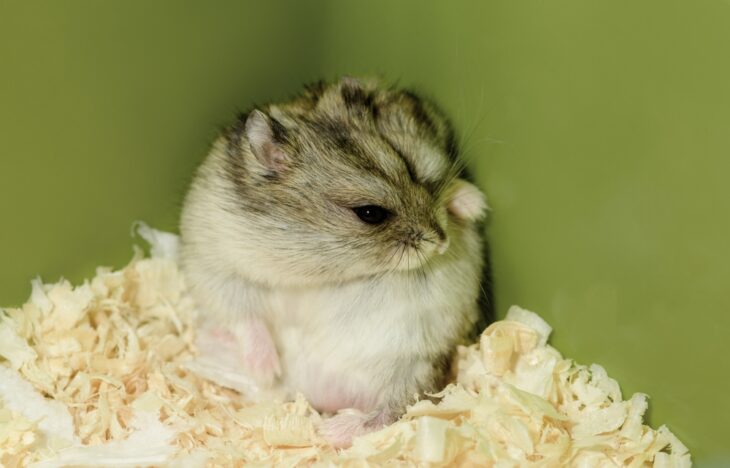
If you’ve gone too far with a deep clean, the shift is usually obvious. You might see them:
- Running quick laps along the edges
- Digging in corners you just flattened, or
- Rubbing their sides against toys and walls more than usual.
On the other hand, neglect shows up in quieter ways at first. A sharp ammonia smell is the big one; if it hits your nose, it’s already overdue.
You may also find damp patches beneath the bedding or mold spots near stored food. If hygiene slips for too long, their energy levels can dip. That’s your sign to act.
A simple way to judge your routine is the settling test, as some experts call it. After you tidy up, watch them for a few minutes. If they groom, stretch, or curl back up without fuss, you probably got it right.
If they stay restless and start reworking everything, you may have wiped away too much at once.
How Your Hamster Cage Size Can Affect Your Cleaning Schedule
Size matters more than most people think. A spacious hamster cage with deep bedding usually stays fresher for longer. There’s more room for waste to spread out instead of building up in one corner.
Thick bedding also helps. As those tiny grazers burrow and dig, the surface stays drier than you’d expect.
Smaller enclosures are less forgiving. In a tight tank or plastic bin, moisture collects faster, and odor builds quickly, too. You’ll need to check those more often.
Wire cages sit somewhere in between. Air moves through them easily, which helps with smell. But they can also expose the enclosure to drafts or constant noise, so placement matters.
Best Practices For a Better Hamster Cage
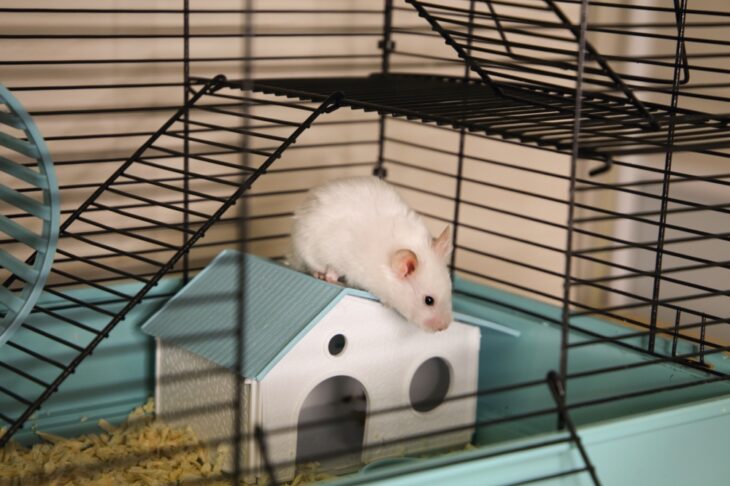
Hamsters may look small, but they’re intentional about where they live. Once they settle into a space, they expect it to stay predictable. If you respect that, everything runs smoothly.
Work the night shift
Don’t be the person who vacuums while someone is sleeping. Since hamsters are nocturnal, wait until the sun goes down to start tidying. If you barge in at noon, you’re waking them up in the middle of their night just to move their bedsheets.
Hands off the pantry
Imagine coming home to find someone had tossed your entire fridge because they wanted the shelves to look cleaner. Unless their hidden stash is damp or rotting, let it be. For a hamster, that pile of seeds is their life savings; digging it up is an immediate stress trigger.
Stop rearranging the living room
You might think moving their hamster cage to the other corner will make them happy, but to them, it’s disorienting. They rely on muscle memory to locate things, so try to keep the furniture right where they left it.
Skip the heavy scents
A hamster’s nose typically picks up everything. In a small enclosure, heavy sprays linger and can throw the whole space off. For most cleanups, warm water and a little vinegar on hard surfaces does the job without overwhelming their space.
Conclusion – Balance Goes A Long Way
Cleaning a hamster cage is important, but comfort matters just as much. A partial routine doesn’t just preserve their scent markers; it keeps the entire environment stable and stress-free. Over time, you’ll learn exactly which spots need daily attention and which areas can stay exactly as they are.
Disclaimer:
We are not veterinarians, and none of our information should be construed as veterinary advice.
Before adding any new product, please consult your exotic veterinarian. If your pet is acting unwell and you have concerns for their well being, please contact your vet immediately.