


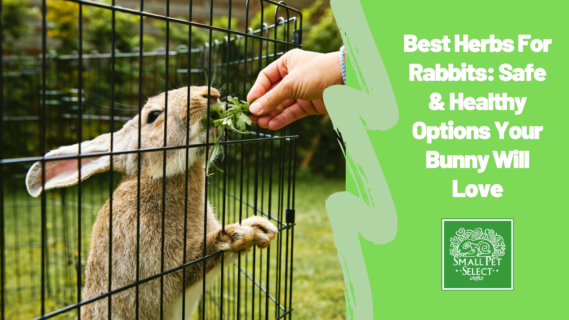
Rabbit herbs aren’t just a way to spruce up a boring breakfast; they wake up those wild foraging instincts. A sprig of parsley looks like a basic plate garnish to you, but to a bunny, chewing it helps naturally grind down their fast-growing teeth.
Still, not every leaf deserves a spot in your rabbit’s bowl.
Why Herbs are a Vital Addition to the Menu
Pellets and Timothy Hay may contain many beneficial nutrients, but herbs for rabbits can fill some gaps. Some of them contain vitamins and minerals that actively support the development of strong bones and sharp eyesight.
Rabbits get easily bored. Give them nothing to work with, and they’ll invent their own “projects,” which may involve destroying your furniture. Different smells and textures from herbs give them something better to focus on.
On top of that, certain herbs gently support digestion and help keep the gut functioning the way it should.

Safe Herbs For Rabbits and Their Benefits
You don’t want to bank on just one or two herbs for your rabbits. These furry creatures appreciate those who rotate through different safe green options.
- Parsley: Tends to show up often in rabbit bowls. It contains vitamin K, vitamin C, and a decent amount of antioxidants. Many rabbit parents save it for occasional servings due to its high calcium content.
- Cilantro: Most rabbit parents consider coriander exceptionally safe. You can feed it in larger quantities because it’s low in sugar and high in water and fiber. Plus, it is great for keeping their digestive tracts moving smoothly.
- Basil: This one is famous for fighting inflammation, but there’s a catch. Serving a bowl of it solo is a bad idea if your bunny has a history of bladder sludge or urinary issues, and because it’s high in calcium. Instead, just rip up a leaf or two and combine it with other safe greens.
- Dill: Got a picky eater who just snubbed their entire morning meal? Tear up some fresh dill. The scent is incredibly strong, which is usually exactly what it takes to get a stubborn, picky eater back to the food bowl.
- Mint: Some parents also offer it when a rabbit has digestive issues after a meal. More serious symptoms usually belong in a veterinarian’s hands rather than the herb drawer.
- Oregano: Not every rabbit likes oregano straight away. The flavor is incredibly punchy compared to milder greens like cilantro. If your bunnies eventually develop an interest, the payoff is great; it’s naturally loaded with antibacterial properties.
What to Keep Off the Plate
Not everything green belongs in the “safe herbs for rabbits” category, no matter how innocent it looks in the garden
| Toxic herbs and plants | Why are they dangerous? |
| Onions, chives, leeks, scallions, and garlic | Often leads to severe digestive issues and blood disorders. |
| Foxgloves and nightshades | That includes tomato and eggplant leaves and stems. These aren’t just ideal, but they can be genuinely dangerous; even small amounts can cause cardiac arrest. |
| Rhubarb leaves | Has high levels of oxalates, which are like a time bomb for rabbits’ kidneys and hearts. |
| Common yard weeds | A weed doesn’t come with a label. Even if it looks safe, there’s no way to know whether chemicals have been used around it. |
When a rabbit already has health concerns, herb choices can get a little more complicated. In those situations, your veterinarian is the best person to guide you on what belongs in the bowl and what doesn’t.
How Do You Introduce New Herbs For Rabbits?
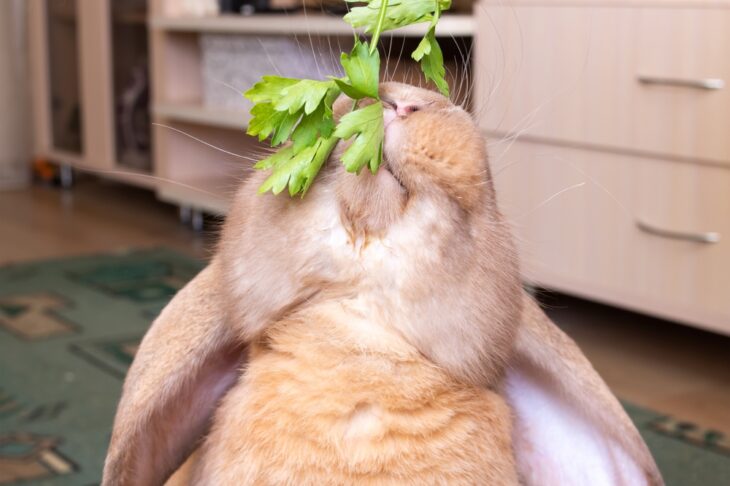
Rabbits don’t always appreciate sudden diet experiments. Too many new herbs at once can upset their stomach, so it’s better to go slowly. Most rabbit parents start with a single small sprig of a new herb for rabbits and then just… watch what happens.
It helps to take it low. Watch how they respond over the next day; droppings, appetite, behavior, all the usual signs. Honestly, one new herb at a time is enough.
Fresh vs. Dried Herbs For Rabbits
Choosing between fresh and dried options often depends on availability and your rabbit’s preference.
Fresh options
Fresh herbs usually get a good reaction from most bunnies for their crunchiness, fresh smell, and that little hydration boost.
The catch? They’re at their best for only so long.
Before your rabbits start munching, run the leaves under water to wash away any dirt they may have collected.
Dried herbs
Dried herbs are excellent for sprinkling over hay and are easier to store long-term. High-quality options don’t contain unnecessary flavor enhancers or preservatives.
Small Pet Select Store offers several pre-made options, including Flower Power Herbal Blend, Heavenly Green Crunch, and Blue Cornflower Foraging Herbs.
There’s also a Sampler Pack so your buns can try five separate herbal blends to find their favorite.
Tips for growing your herbs
You don’t need a massive garden plot for this. A simple window box or a tiny sunny spot on a balcony works fine. If you’re new to gardening, start with mint or parsley; they’re forgiving of beginner mistakes.
Stick to plain soil and water to keep your rabbit’s herbs safe for consumption.
Conclusion: Most Rabbits Like Safe, Aromatic Herbs
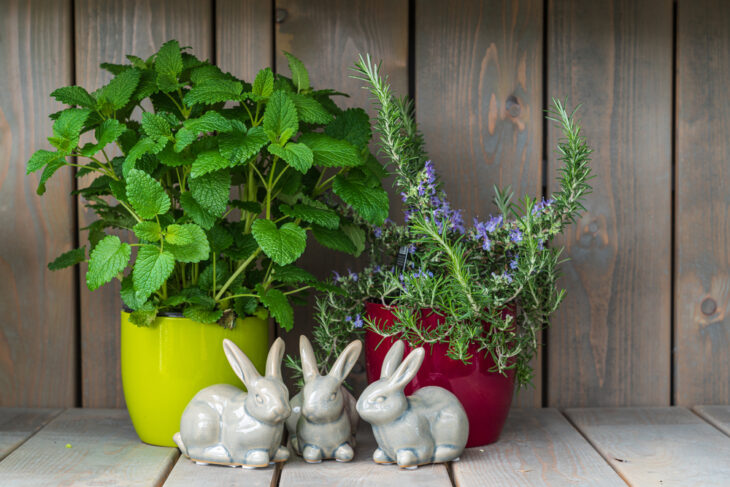
Just like you, your bunnies deserve extra fun and care, and safe herbs for rabbits can give them just that. Besides the fact that they encourage foraging and boost their immune system, you’ll find them in different flavors, scents, and textures, including dill, mint, and parsley.
Disclaimer:
We are not veterinarians, and none of our information should be construed as veterinary advice.
Before adding any new product, please consult your exotic veterinarian. If your pet is acting unwell and you have concerns for their well being, please contact your vet immediately.

Betty Nelson is a lover of small pets with hands-on experience raising chickens, rabbits, guinea pigs, hamsters, and other small companions. She shares simple, practical tips based on real experience and trusted research to help you care for your furry friends. Her goal is to help pet parents take care of their little ones easily, enjoyably, and rewardingly.