



What chicken keepers wouldn’t ask, “Why do chickens molt?” when the enclosure starts looking like a feathered sack. The good news? It’s a normal thing for your birds; they aren’t sick at all.
You can just look at it as their own way of replacing worn-out feathers with fresher, denser coats. They’re merely upgrading their wardrobe for winter.
What Molting Is and Why Do Chickens Molt?
At many points in your chicken-keeping journey, you’ll have to deal with a flock of birds shedding feathers all over the coop during autumn. The whole ruckus can make you probe “why do chickens molt?”
Your chickens’ hormones will always know when the daylight suddenly reduces; molting is their biological response to it. They usually have it rough during winter.
Your little ones quickly shed the feathers weakened by dust baths and harsh sun, and replace them with stronger ones to provide natural insulation.
In other words, you can say molting is an essential survival instinct for your feathered ones. It shows they’re in good shape.
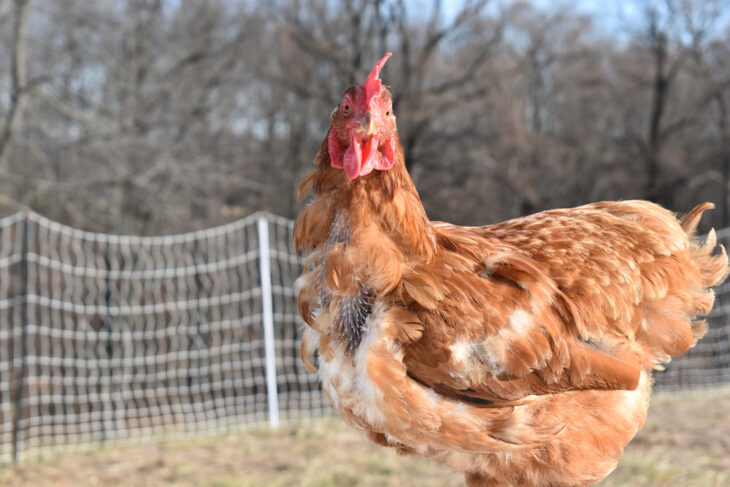
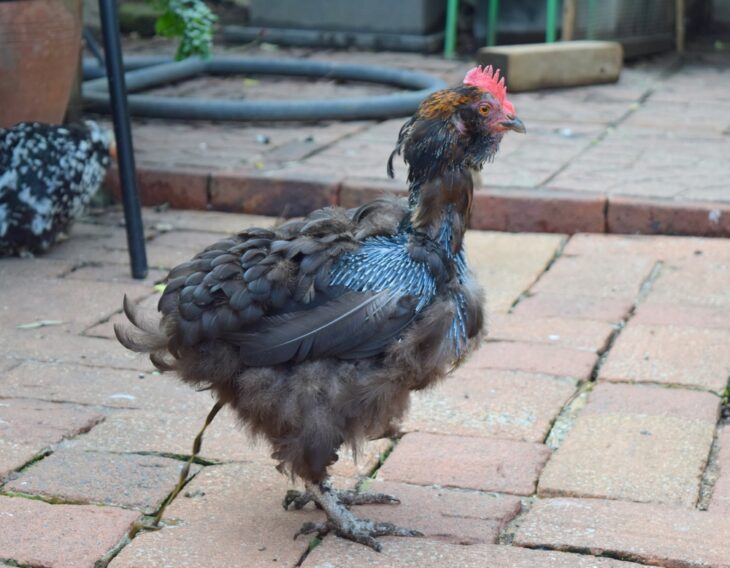
Stages of a Seasonal Molt
What chickens go through during their annual molting can be quite intense. Some keepers become anxious, thinking that something must have gone wrong with their little ones. When you know the exact stages of their transformation, you’ll feel at ease.
The soft molter
You wouldn’t exactly call this the first stage of a chicken’s molt. Softer molters appear to be a category of chickens that take their time losing their feathers. It usually starts at the head and extends down to the wings and tail. As the old feathers shed all over the coop, new fluff grows in almost as fast.
Hard molter
If your avian friends are hard molters, you’re in for a shock. After dropping nearly all their feathers all night, you’ll be looking at an oven-ready flock wandering around your run in the morning.
Feathers regrowth and timing
It may take between four and twelve weeks for feather shedding to occur.
Why do some chicken breeds molt and regenerate feathers more quickly than others? It comes down to breed, age, and general conditions like diet and stress. You’ll notice that, unlike the older birds, younger chickens usually get through molting and regrow their feathers.
During the growth stage, sharp, plastic-like quills will protrude from the skin. They contain a rich blood supply to feed the growing feathers. Your chickens might get a bit feisty or run when you try to pet them; those new quills can be painful if bumped roughly.
Feeding Your Flock With a High-Protein Diet

Another reason why your chickens molt at different speeds is their protein intake. Feathers are mostly made of dense protein, so birds that don’t get enough of it can take longer to grow new ones.
During molting, many keepers stick with whatever feed the birds are already used to, as long as it supports their general condition. It can be Starter Feed, Layer, or Grower Feed.
You might also see small extras offered now and then, depending on what’s available:
- Dried insects such as Chicken Grub Bugs, mealworms, and black soldier fly larvae
- small bits of cooked egg, given occasionally rather than as a regular feed
High-carb treats like corn or Scratch Grain don’t contribute much to feather rebuilding.
Why Chickens Molt and Cut Back on Egg Production at the Same Time
Molting changes what chickens pay attention to for a while. Feathers take up a lot of protein while they’re growing, so egg laying often slows down or stops.
You see it more clearly in some breeds like Buff Orpington, Ameraucana, and Rhode Island Red, where laying can pause for a bit during the molt. But even then, it doesn’t play out exactly the same in every flock.
Production usually picks back up once the molt settles and feather regrowth is well underway. The timing isn’t the same for every chicken.
Egg baskets won’t overflow immediately. Your birds need around 14 hours of daylight to stimulate production, and that’s much easier during spring.
Normal Molt vs. Something to Worry About
Now that you know why chickens molt, there are times a shed isn’t just the normal molt. Your feathered friends may be trying to tell you something else.
| Normal molt | Signs of trouble |
| Usually occurs in autumn | Occurs suddenly in seasons other than autumn |
| Smooth, pink skin underneath | Scabby, irritated skin patches |
| Visible plastic-like quills emerge when feathers are regrowing | No signs of regrowth |
| Feather shedding starts from the top to the bottom | Only sheds around the belly or rump |
Parasites
When mites or lice show up, chickens usually don’t act like themselves. They get restless, uncomfortable, and you’ll often notice more scratching and pecking than normal. Overpecking could break their feathers and leave the skin bare.
Flock bullying and stress
Behavioral problems can also mimic a molt. A chicken that gets pushed around may end up losing feathers to persistent pecking from more dominant birds.
Conclusion: Chicken Molting Isn’t So Bad If You Can Stop Counting The Feathers
Honestly, the reality of why chickens molt feels surreal. It’s not always easy to watch your flock go through that feather massacre where they appear to lose some of the energy they’ve gathered before autumn.
With steady access to water and a diet that includes enough protein, your birds may move through it without much intervention.
Disclaimer:
We are not veterinarians, and none of our information should be construed as veterinary advice.
Before adding any new product, please consult your exotic veterinarian. If your pet is acting unwell and you have concerns for their well being, please contact your vet immediately.

Betty Nelson is a lover of small pets with hands-on experience raising chickens, rabbits, guinea pigs, hamsters, and other small companions. She shares simple, practical tips based on real experience and trusted research to help you care for your furry friends. Her goal is to help pet parents take care of their little ones easily, enjoyably, and rewardingly.