



If you’ve ever second-guessed why a chicken laying eggs would suddenly stop, you’ll get the answers here. It could mean that you need to pay extra attention to their health, diet, or environment.
You’ll naturally know the way forward once you take a closer look at their daily routine. Here’s how.
Why Is Your Chicken Laying Eggs Less Often?
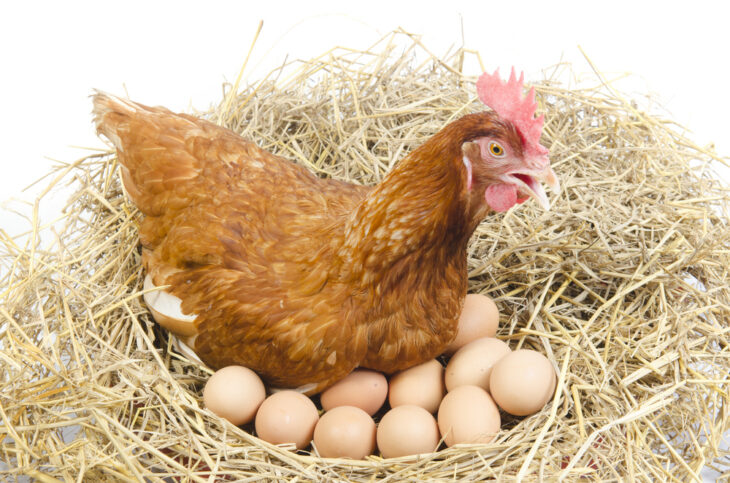
From experience, a chicken laying eggs responds to biological instincts. Output can change based on natural factors like age, light, weather, and time. That said, here are common reasons your feathered friends might be leaving your Nesting Boxes empty:

Aging
Once your backyard friend reaches 3 or 4 years old, it’ll naturally lay fewer eggs. You might see one or two a week rather than the daily gift you get in the first year. This is a normal phase, so you can’t force a change with medicine or specialized supplements.
Annual molting phase
Molting typically occurs in the autumn, taking 6 to 12 weeks to complete. During this process, your chickens can lose a lot of feathers. They can’t produce eggs and regrow feathers simultaneously because both require massive amounts of protein.
Reduced daylight hours
Light triggers your flock’s hypothalamus and pituitary gland, which signal to their bodies that it’s time to fill the basket. A chicken laying eggs typically needs between 14 and 16 hours of daylight to maintain a consistent schedule.
This explains why many chickens conserve their energy during the coldest months of the year, when there’s insufficient lighting.
Environmental Stressors That Can Affect Chicken Laying Eggs
In addition to biological factors, your coop residents also respond to their environment. If they don’t feel comfortable, they’ll prioritize their own survival over giving you free eggs. The slightest changes in the routine and temperature are enough to throw a chicken laying eggs off balance for several days or even weeks.
Fear and predation
When your chickens feel threatened, their body might produce hormones that inhibit the reproductive process. The culprits are usually everyday things you most likely don’t expect. They could be a loud construction project, a dog barking in the neighborhood, or a change in the pecking order.
Once they get scared, it takes time for their nervous systems to return to a state of safety.
Temperature extremes
During a heatwave, your barnyard companions concentrate on cooling themselves by panting and spreading their wings. They stop eating, which leads to a drop in the nutrients required for production. On the other hand, extreme cold requires them to burn every calorie to keep their internal temperature up, minimizing their ability to lay eggs.
How To Restore Egg Production
Although you can’t stop aging or molting, you can optimize the diet and habitat to make life easier for a chicken laying eggs. Parasite control also works.
Optimize nutrition
If your girls are healthy and there’s supplemental lighting, but you still aren’t seeing those eggs, the issue is likely sitting in the feeder. Here’s how you can get started:
- Upgrade the feed: A Premium Chicken Layer Feed with 18% protein offers healthier, more golden yolks.
- Supplement Calcium: Keep a separate dish of Flaked Oyster Shells available so your little ones can self-regulate their intake.
- Facilitate the molting process with protein-rich feed: Use high-protein meals like Grub Bugs to help them molt faster.
- Offer more water: Your feathered friends need constant access to fresh water. A few hours of dehydration can stop them from producing eggs for weeks.
Manage the habitat
Sometimes, a chicken laying eggs needs an environment where it feels secure enough to restart the cycle.
- Hunt for hidden nests: If you free-range, keep your little scratchers confined to their run for a few days to see if they’ve been hiding their treasure elsewhere.
- Break broodiness: If your backyard chicken sits in one spot 24/7 and growls, her hormones are stuck. Moving her to a wire-bottomed crate for a few days can reset her system so she returns to laying
- Minimize breakage: Use Nesting Pads or soft bedding, such as Pine Shavings and Hemp Hurd, to prevent accidental breakage.
Control parasites
Sick chickens rarely produce eggs since their bodies might need to focus on fighting off infection or external parasites like mites and lice. Here is how you can keep infestations under control:
- Dust bath stations: Provide a mix of dry dirt and wood ash for natural pest management.
- Regular Inspections: Check under the wings and around the vent for crawling bugs.
- Worming: If your friends appear lethargic despite eating well, a vet-approved worming treatment may be necessary.
Conclusion – Extra Attention, More Eggs
When a chicken laying eggs suddenly stops, it means the tank is empty. From needing more protein to grow new feathers or more calcium for quality production, you’ll find the solutions through their daily lives.
Besides diet, you also need to consider their biological cycles, such as molting. Limit environmental stressors, and friends will be back to work.
Disclaimer:
We are not veterinarians, and none of our information should be construed as veterinary advice.
Before adding any new product, please consult your exotic veterinarian. If your pet is acting unwell and you have concerns for their well being, please contact your vet immediately.

Betty Nelson is a lover of small pets with hands-on experience raising chickens, rabbits, guinea pigs, hamsters, and other small companions. She shares simple, practical tips based on real experience and trusted research to help you care for your furry friends. Her goal is to help pet parents take care of their little ones easily, enjoyably, and rewardingly.