



A high fiber diet for rabbits is considered very beneficial, especially in terms of digestion and overall well-being. Bunnies are natural grazing creatures and can spend several hours per day grinding plant fiber.
Stick around to learn about fiber-rich foods for your rabbit, reasons they’re important, and how to know that your furry friends aren’t getting enough, and more.
Why Fiber Is Considered Vital To Your Rabbit’s Diet
Buns require regular gut motility for good health. Fiber for rabbits is necessary for proper food movement through the intestines and supports microbial activity in the hindgut.
How Fiber Works In the Digestive System
Movement and fermentation are essential to a healthy digestive system. Fiber for rabbits keeps their gut moving and supports fermentation in the cecum.
If you don’t provide adequate fiber, it could cause food to remain in the gut too long, leading to discomfort or anorexia. This often happens when there’s irregularity in the digestive process.
Cues That Your Rabbit Isn’t Getting Enough Fiber
It’s important to note that sudden changes in rabbit behavior can indicate insufficient intake of fiber. Examples of such body language include:
- Less interest in hay
- Smaller droppings, or
- Abnormal chewing habits may appear first.
Symptoms caused by fiber deficiency in rabbits may be asymptomatic at first, although they may worsen if they are not treated. Steps like providing extra hay or leafy veggies may alleviate potential digestive problems early on.
Fiber For Rabbits: High vs Low Fiber Meal Options
There are several sources of fiber in bunnies. However, it’s more packed in some foods, but less so in others. Here are some options you can consider:

Hay as the primary source
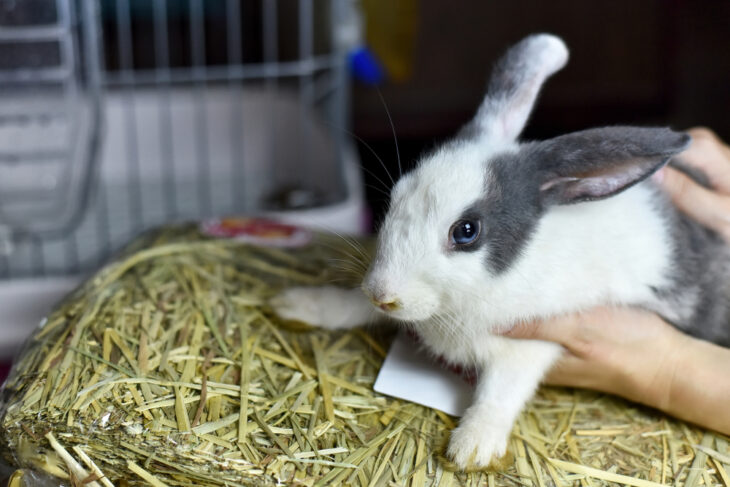
Hay provides the bulk of the structural plant matter in your buns’ diet. Fiber for rabbits is most concentrated in grass hays, which stimulate chewing and maintain gut function. You can choose from options like Timothy Hay Cubes, Alfalfa Hay, or Gourmet Hay, depending on the desired texture for optimal consumption.
Leafy greens and vegetables
Greens provide moisture and extra fiber. Although hay is the mainstay of any grazing creature, vegetable fiber for rabbits also helps out when they’re digesting and chewing. You can try these options:
- Romaine lettuce
- Cilantro
- Parsley
- Dandelion greens, and
- Endive
Make sure to introduce new greens slowly and vary them to keep them interested.
Pellets as a supplement
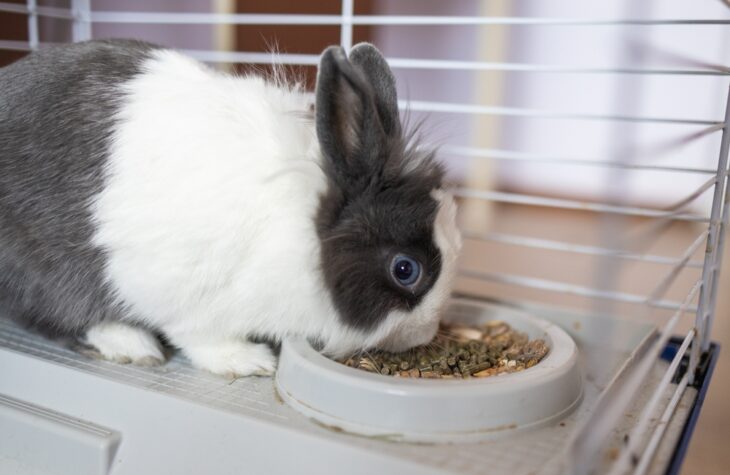
Pellets can supply concentrated nutrients without replacing hay. Fiber for rabbits remains primarily sourced from forage. However, high-quality Food Pellets are loaded with nutrients such as Vitamin A and Riboflavin, in measured portions.

You should serve these foods to your adult friends in moderate a; amounts because they’re calorie-dense. Overfeeding them can cause dental diseases and gastrointestinal disorders.
How to Add Fiber To Your Rabbits’ Daily Routine
Digestive stability depends on the continuous availability of high-quality forage. Rabbits tend to be frequent grazers, and fiber is the most effective when available throughout the day in multiple locations. Here’s how you can ensure they get it:
- Refresh hay regularly
- Note their preferred texture: Do they like it soft (1st Cutting Timothy Hay), medium (2nd Cutting), or hard (3rd Cutting)?
- See if they prefer it to smell sweeter (Orchard Hay) or taste crunchy (Oat).
- Feed them based on their preference.
Balancing Fiber For Rabbits With the Rest of the Diet
Hydration and other nutrients complement the digestive benefits of structural carbohydrates. Fiber for rabbits’ intake works alongside water and essential nutrients to maintain gut efficiency. You can alternate between the following food choices accordingly:
- Unlimited grass hay
- Moderate leafy greens
- Limited pellets, and
- Constant access to fresh water.
How Fiber Regulates Various Health Problems
As discussed earlier, numerous gastrointestinal issues in your furry companions could improve if they consume adequate roughage. You can use fiber for rabbits to achieve the following:
- Regular droppings
- Natural tooth wear
- Healthy appetite
- Encourages overall comfort and activity.
Encouraging Natural Feeding Behaviors
The environment may influence fiber consumption. They feel at ease when you position hay around resting and activity areas.
Moreover, fiber for rabbits should be accessible and interesting. You can put some hay inside a Manger, Hideout Castle, or Tunnel to encourage natural foraging behavior.
Conclusion: Give Your Rabbits A Better World With Hay, Greens, and Pellets
Fiber for rabbits supports digestion and tooth wear. Without enough of it, common health issues can develop quickly.
Make sure hay starts your buns’ day. You could also supplement them with some fresh vegetables, such as romaine lettuce and cilantro, and high-quality commercial food pellets. This combination mimics their natural eating behavior in the wild.
When you consistently offer plant-based bulk, your rabbits can stay active, alert, healthy, and comfortable.
Disclaimer:
We are not veterinarians, and none of our information should be construed as veterinary advice.
Before adding any new product, please consult your exotic veterinarian. If your pet is acting unwell and you have concerns for their well being, please contact your vet immediately.