


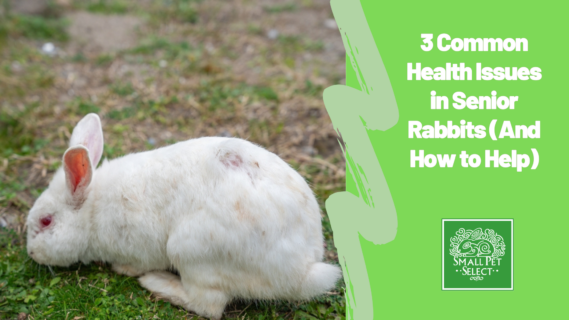
Age tends to sneak up on bunnies, and before you know it, arthritis in rabbits is in the picture. Changes like that aren’t always part of normal aging. The kind of environment they live in and what you feed them matters here.
In most cases, your elder buns might be dealing with serious medical conditions while you mistake them for normal physical changes. Knowing what to check makes those changes easier to spot.
Arthritis in rabbits can be quite painful. It’s a joint inflammation that develops over time, most commonly osteoarthritis, and can affect even young rabbits.
Mobility Issues: Arthritis in Rabbits
Some bunnies start slowing down long before you realize anything is wrong. Stiff joints can turn simple things, like hopping onto a box or low platform, into a challenge.
Discomfort isn’t always obvious in rabbits. Rather than limping, they may simply spend more time resting in one place. You’ll think they’re just chilling out.
These older guys also tend to struggle with properly grooming their ears, or they might just look generally down. Issues like arthritis in rabbits, excess weight, or specific neurological problems are usually behind these sudden shifts.

Preventing mobility issues
If your bunnies are dealing with arthritis or other joint issues, you could use ultra-soft bedding options like the Marigold White Paper and the Floral Bedding Bundle to support their tired limbs.
- Make sure they don’t have to jump over to use the bathroom
- Offer some Joint and Mobility Support Supplements
- Reach out to an exotic veterinarian for safe pain management options, such as anti-inflammatories.
Dental Disease
A rabbit’s teeth grow continuously throughout its life; they constantly need to grind Hay Cubes to level them. In your bunnies’ golden years, slight jaw misalignments often worsen as facial muscles weaken.
Watch closely if your rabbit begins dropping food while eating or starts drooling. A sudden refusal of hard pellets is also a warning sign.
These behaviors are often mistaken for simple low energy or picky eating. In reality, they can signal serious dental issues, especially the formation of sharp spurs on the teeth.
Slow Digestion and Weight Changes
Besides teeth and arthritis in rabbits, senior bunnies often experience sluggish digestion and major shifts in weight. You might notice that your rabbits lose muscle and start feeling bonier along the spine. Other times, they gain weight because they spend more time resting than running around.
That extra weight is terrible for their joints and may trigger arthritis in rabbits. It can also lead to liver diseases. Sudden weight loss also goes hand in hand with dental problems or parasitic infections.
Some parents toss vet-approved Digestive Health Supplements into the daily mix. Staying on top of regular weigh-ins and keeping a constant supply of high-fiber hay like Alfalfa or Orchard Hay around the cage goes a long way toward preventing these gut issues before they start.

Hearing Loss And Vision: Does It Worsen Rabbit Arthritis?
Not every age-related change involves the joints. Many bunnies slowly lose their eyesight or hearing as the years pile on.
You might notice your pet hesitating near a couch they used to jump on, or jumping out of their skin when you approach. Loss of sight or hearing doesn’t physically cause arthritis in rabbits, but navigating life gets way tougher for a bun who already has aching limbs.
Quick Remedies
If your bunny seems constantly anxious, check in with your vet or look into rabbit-safe Calming Supplements. It helps to leave the room layout exactly as it is.
When a rabbit can’t see or hear well, their food bowls, litter trays, and favorite napping spots turn into essential landmarks. Moving them causes total confusion.
Try to get into the habit of gently thumping the floor or speaking softly as you enter the room. It gives them a heads-up, so you don’t scare them.
Why Regular Vet Visits Matter
A sudden shift in your rabbit’s personality is never random. When a normally sweet bun stops running to meet you, starts squeezing into tight, unusual spaces, or thumps and nips when you try to pick them up, they are likely dealing with hidden physical pain. The real danger is that senior rabbit ailments develop so gradually that they are easy to miss.
Conditions like dental disease, kidney disease, or heart failure advance quietly. Regular visits to a dedicated exotic vet are the only real way to spot these hidden issues early. After all, the best home care and supplements in the world won’t do much without a vet’s guidance.

Conclusion – Senior Rabbits Can Lead Healthy Lives With Proper Care
Arthritis in rabbits may not necessarily be age-related. Still, it’s one of those issues senior rabbits constantly face alongside dental diseases and failing eyes or ears.
If your older bunnies don’t take enough water and hay, their digestion can go downhill fast. Making sure they see the vet regularly is the way forward.
Disclaimer:
We are not veterinarians, and none of our information should be construed as veterinary advice.
Before adding any new product, please consult your exotic veterinarian. If your pet is acting unwell and you have concerns for their well being, please contact your vet immediately.

Betty Nelson is a lover of small pets with hands-on experience raising chickens, rabbits, guinea pigs, hamsters, and other small companions. She shares simple, practical tips based on real experience and trusted research to help you care for your furry friends. Her goal is to help pet parents take care of their little ones easily, enjoyably, and rewardingly.