



Many flock keepers focus on feed choices while overlooking chicken bedding. Feeds matter, sure, but you need the bedding to keep the coop in good shape.
You don’t want to open the coop and get hit with that swampy smell. That’s why it helps to know which bedding actually absorbs well and holds up over time.
Top Floor Materials And Why Chicken Keepers Like Them
The reality is that there’s no final “best” or “top” chicken bedding. It comes down to what you need from it. For most people, the biggest battle is damp spots, smells, and cold coop floors.
Pine wood shavings
Some chicken parents like Pine Shavings because they do more than soak up droppings. Chickens usually love kicking them around and scratching through them.
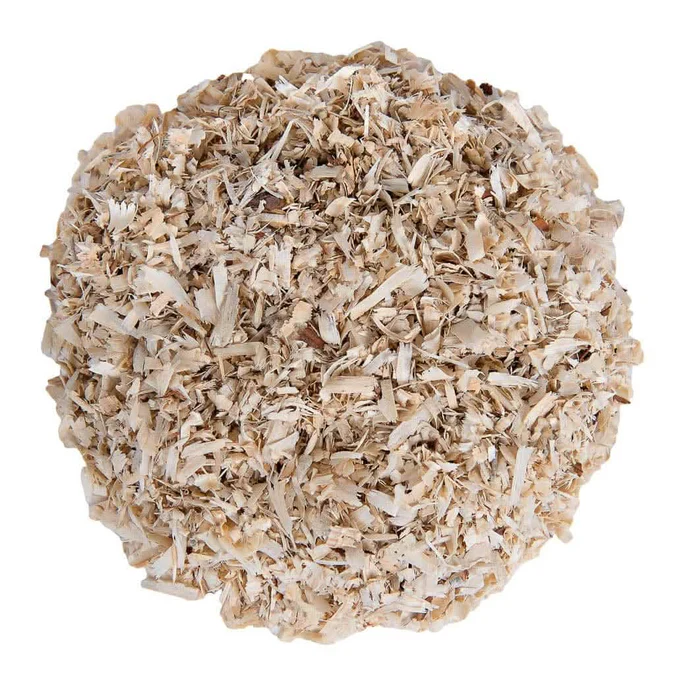
They’re not perfect with moisture, though.
A lot of pine shavings are heat-treated, too, which helps keep mold issues down a bit. They also help to keep that sharp ammonia smell from taking over the coop.
Hemp bedding
Chicken Hemp Hurd wicks away moisture better than most wood alternatives. You’ll also find that it doesn’t produce much dust and naturally prevents the usual suspects like lice and mites from infesting the coop.

Another part of the appeal is that this bedding can last for multiple weeks without matting down. The catch? It needs regular maintenance.
Golden wheat straw bedding
Unlike pine and hemp hurds, Golden Wheat Straw Bedding adjusts based on weather conditions. During the summer, the loose stalks can provide ventilation. If you stack it thick during winter, your cluckers will feel warm.
Golden wheat straw bedding is usually dust-extracted, making it safe enough for your birds’ respiratory tracts. They can also use it to cushion Nesting pads.
The only drawback is that this material naturally has low absorbency.
Chicken Bedding Materials To Avoid And Why
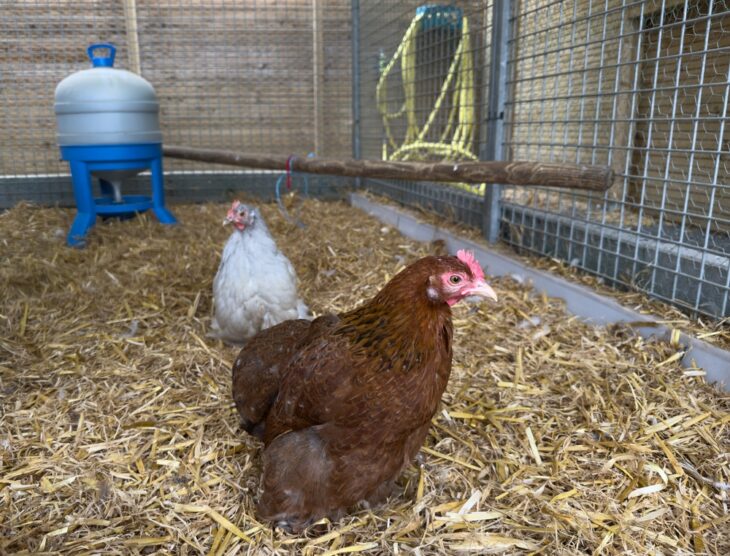
Not everything that appears absorbent or naturally controls odor should belong in your coop. If you pick the wrong chicken bedding, you’re leaving your little friends’ health to chance.
Untreated paper
You can use certain newspapers, especially shredded ones, to trap moisture for a little while, but that’s just about it. They tend to get really heavy and mushy when they’re wet.
The worst options are flat, glossy paper sheets. Because they create slick surfaces, your birds can easily slip and get injuries.
Grass clippings
Unlike untreated paper, fresh lawn clippings don’t absorb moisture and start to rot within hours of sitting in it.
Grass clippings can be a problem when chickens eat too much of the long, stringy bits.
Cedar shavings
Cedar has that strong woody smell people notice straight away. The problem is that those oils can affect your chickens’ breathing when they’re around them for long periods.
Fine sawdust
Sawdust poses another danger to your flock. Once your chickens start flapping around, the dust rises quickly. After a while, that dusty air can start bothering their eyes and breathing.
How Bedding Affects The Coop: Health And Cleanliness
Chickens often use their bedding much more than they eat. This regular contact determines the majority of what happens to their bodies, from the comb down to the feet.
- Health: When your chicken bedding stays dusty and damp for too long, health problems usually follow. Your friends see mess everywhere, bacterial infections develop, and sometimes foot problems like bumblefoot can happen, too. Good bedding won’t magically stop every issue, but it makes the coop easier to manage.
- Comfort: Pine shavings and other similar materials provide a softer place for your backyard peeps to scratch and settle into. Without it, a bare or wet floor just feels uncomfortable.
- Warmth: Cold, wet conditions can weaken your chicken’s immune system, leaving them to grapple with respiratory issues like infectious bronchitis. High-quality bedding helps retain heat during colder months.
- Clean coop: A damp, unlined coop doesn’t just feel unpleasant; it can slowly wear down your chicken’s health over time. Bedding helps keep the floor drier, warmer, and generally more coop-friendly.
Changing Your Chicken Bedding: How Often Is Enough?
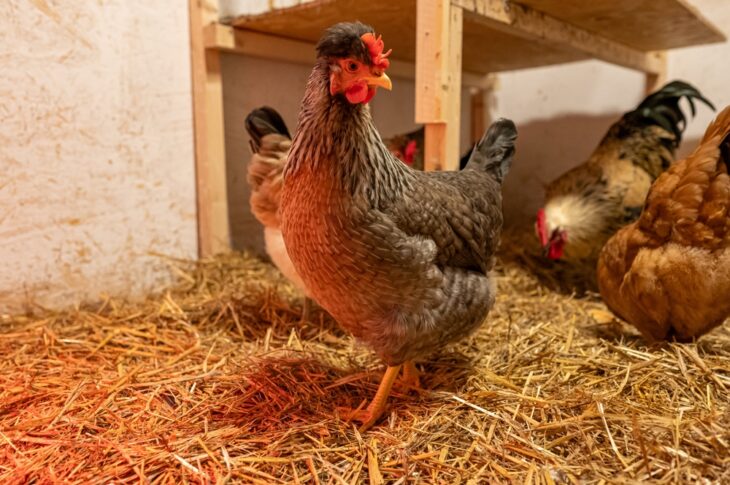
There’s no strict rule here; it depends on your flock size, how you manage the coop, and the type of chicken bedding you use. If you top up fresh bedding instead of stripping everything out, you can usually go longer between full changes.
If you don’t know how to start, many chicken keepers work with about 2 to 3 weeks. Your birds will make it pretty obvious when it’s time.
Conclusion – The Best Chicken Bedding Comes Down To Your Coop Setting
You don’t just visit the Small Pet Select store and pick any chicken bedding at random. Hemp hurds and golden wheat straw? Pine shavings?
Sometimes, even the right bedding won’t do much if it’s not looked after. Keeping it clean and changing it when needed is what really keeps the coop in good shape for your birds.
Frequently Asked Questions
How often should I change my chicken bedding?
It depends on your coop. Many chicken keepers work on a 2- to 3-week timeline.
Which bedding absorbs moisture better?
Hemp hurd is known for its ability to quickly absorb moisture. Pine shavings are also a popular choice, especially in smaller coops, as they help control ammonia odors.
What cedar shavings while waiting for something else to arrive?
No. It’s better to avoid them. Chickens are sensitive to strong aromatic oils, and cedar can irritate their breathing over time.
Are fresh grass clippings safe?
Grass clippings aren’t a great bedding choice. They clump together, stay wet, and don’t absorb waste properly, which can make the coop harder to maintain.
Can damp bedding make my backyard friends sick?
Yes. Swampy floor materials can harbor dangerous bacteria, such as E. coli and Salmonella.
Disclaimer:
We are not veterinarians, and none of our information should be construed as veterinary advice.
Before adding any new product, please consult your exotic veterinarian. If your pet is acting unwell and you have concerns for their well being, please contact your vet immediately.

Betty Nelson is a lover of small pets with hands-on experience raising chickens, rabbits, guinea pigs, hamsters, and other small companions. She shares simple, practical tips based on real experience and trusted research to help you care for your furry friends. Her goal is to help pet parents take care of their little ones easily, enjoyably, and rewardingly.