


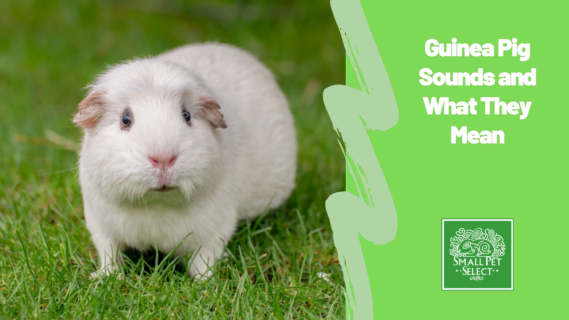
Guinea pig sounds are among the first things you should try to understand if you aren’t fully bonded to your cavies. You may think they’re docile and unassuming, but they have unique ways of expressing their wants and concerns.
Piggies hardly raise false alarms. There’s real meaning behind every squeak and rumble. Once you get used to them, you’ll realize that you have just gotten yourself new little friends.
The Legendary Wheek Sound
Those who have never had contact with piggies might think wheeking is the only classic sound they use, but this isn’t necessarily right. This squealing noise is made to catch attention in order to obtain something like standard food or treats.
In their natural habitat, they didn’t need to scream at all; however, nowadays, they are screaming because they want to be understood by you.
You’ll usually hear this guinea pig sound when you’re about to feed them with fresh vegetables or unpack Food Pellets. Even the sound of your footsteps may become a reason for wheeking.
They’re practically saying, “Hey, the person who feeds me is here! I am waiting for my Pea Flakes, Timothy Hay, and other goodies!”
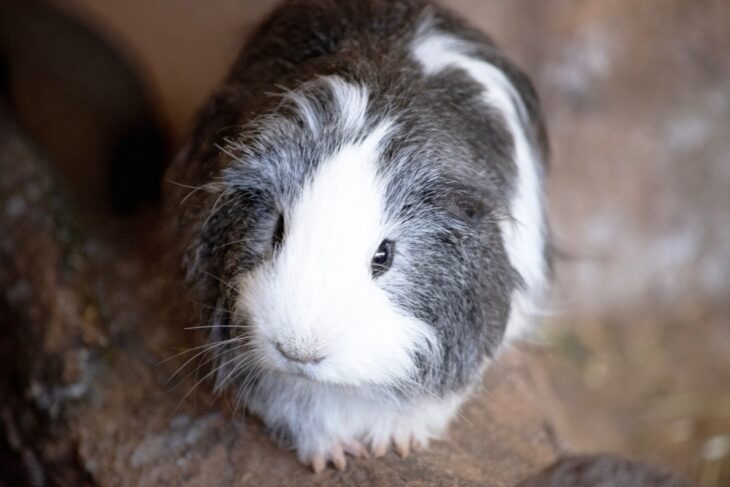
Quiet Guinea Pig Sounds: Purrs, Rumbles, and Chuts
Not all guinea pig sounds are as loud as the wheek.
Purr
Most piggies purr when they’re resting in your lap, when you’re stroking them in their favorite spot, or perhaps during grooming. They make the sound when they’re happy and content with what you’re doing.
Rumbling
If you hear a sudden vibration when you pet them or serve their meals, they might not like how you’re doing it. Your little ones also rumble when rumblestrutting, a kind of dance in which they sway their hips to assert dominance over a new piggy.
Chut
The chut sound is a relaxed noise they make as they casually explore their environment.
Distress Signals
Certain guinea pig sounds demand a prompt response. They either happen when your friends aren’t in their elements, or they suffer an injury.
- Teeth chattering: Here, your furry friend just wants you or other people around to back off. They make it known with a rapid, clicking noise made by snapping their teeth together. Two cavies also sometimes chatter at each other to vent frustration.
- Whimpering: Piggies do this when they are afraid and when they aren’t comfortable with their space.
- Shrieking: It’s usually loud, urgent, and perhaps piercing. To find out exactly what’s happening, go take a look at their enclosure or outdoor area immediately, as something must have happened to them. Usually, they are trapped or injured.
Guinea Pig Sound Analysis: Humans vs. Cage Mates
Guinea pigs may have weak vision, but they are highly observant, especially when it comes to communicating. These creatures know for sure that at the end of the day, there’s no way you’ll learn everything about their language.
That’s why they communicate in the simplest way possible. They relate to their enclosure mates like close clan members or sworn brothers.
When drawing your attention, they either make loud wheeks to drive home their wants or use specific guinea pig sounds to show pain. They know which noises get them treats like Berry Burst Blends and Crispy Cilantro Pear.
The conversations they have with their clan friends are usually slightly complex. You might not always catch the subtle cues.
For example, instead of the sense of urgency that comes with human-inspired noises, they squeak when locating a missing friend without trying too hard.
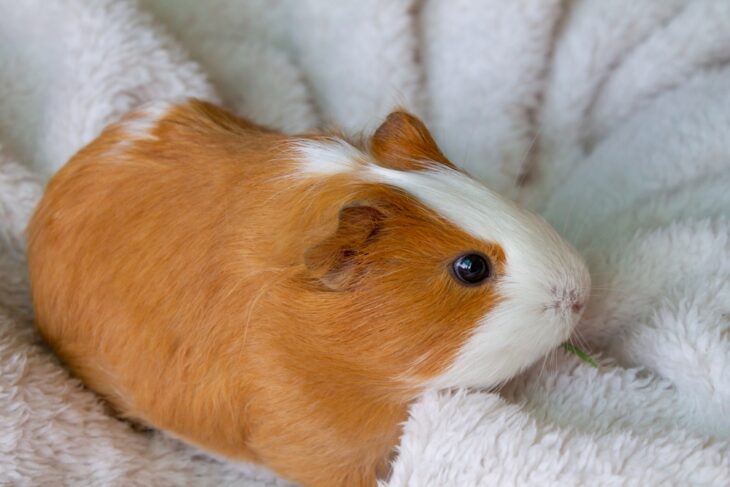
Tracking Vocal Changes to Monitor Health
You know something is off if a guinea pig who is normally boisterous suddenly goes silent. This could point to lethargy and respiratory issues or be a major sign of one severe illness that only a vet visit might be able to unveil.
You also don’t want to discount a persistent raspy undertone to their squeaks. Their chest is likely protesting.
You can’t overlook the clicking sound while they’re breathing or munching. The same applies to crying or whining when they’re passing waste, which can point to bladder stones and urinary infection.
Another point to note is that guinea pigs naturally tend to hide any symptoms of disease, regardless of the kind of relationship they have with their keepers. You can recognize early signs of illness only after learning the meaning of each sound they produce. Take them to a trusted exotic vet where necessary.
Conclusion: Happy Piggies, Understanding Parents
You weren’t native to the Andean highlands, so picking up on guinea pig sounds will take time and even effort from your end. Once you learn about them well enough, it may further strengthen your connection with your pet.
You change their environment depending on how they feel at the moment. Your little ones will then feel safe, comfortable, and deeply loved by you.
Disclaimer:
We are not veterinarians, and none of our information should be construed as veterinary advice.
Before adding any new product, please consult your exotic veterinarian. If your pet is acting unwell and you have concerns for their well being, please contact your vet immediately.

Betty Nelson is a lover of small pets with hands-on experience raising chickens, rabbits, guinea pigs, hamsters, and other small companions. She shares simple, practical tips based on real experience and trusted research to help you care for your furry friends. Her goal is to help pet parents take care of their little ones easily, enjoyably, and rewardingly.